
The European Union has expressed its readiness to launch a renewed and expanded partnership with Libya aimed at establishing an effective and rights-compliant system for managing migration and securing the country’s borders.
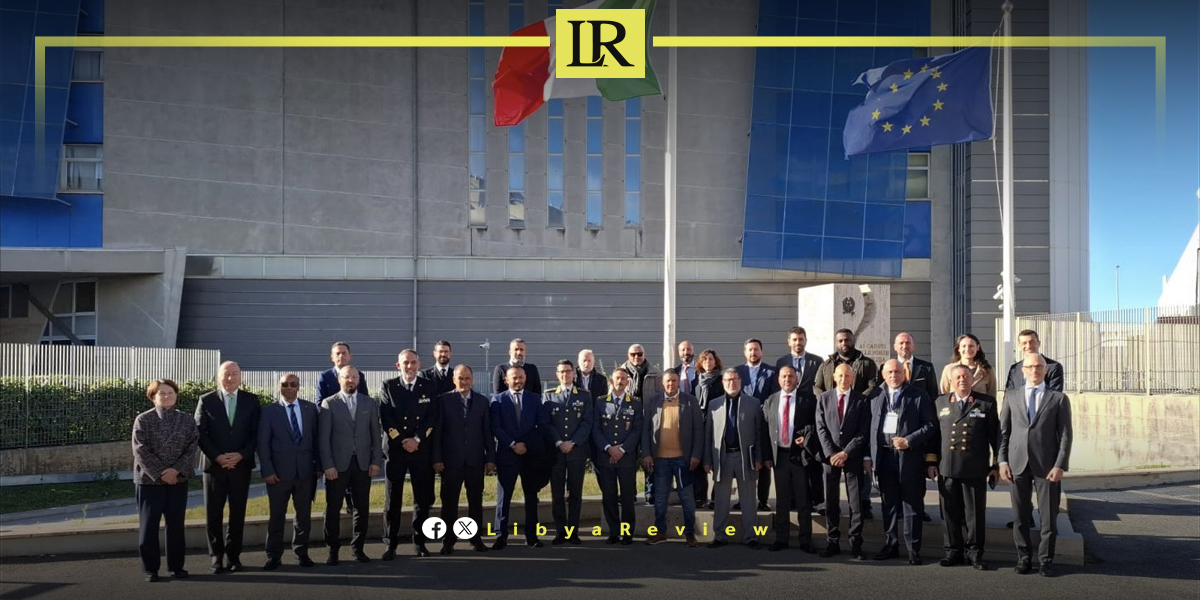
EU Ambassador to Libya Nicola Orlando said the initiative comes after a series of intensive meetings held in Rome with Libyan officials from all institutions involved in migration, border security, and law enforcement.
According to Orlando, the discussions focused on a new EU-funded national programme that will strengthen coordination between European agencies and Libyan authorities. The programme builds on the work already carried out by the EU’s technical mission on migration and rights-based border management, and is designed to provide Libya with more comprehensive, long-term support.
The initiative will be implemented by Italy’s Ministry of Interior and will expand European assistance across several key areas.
These include strengthening Libya’s capacity to manage land borders and migration routes, improving the ability of law enforcement to investigate and dismantle cross-border human trafficking and smuggling networks, and providing direct support to Libyan communities that are disproportionately affected by migration pressure.
It also aims to deepen cooperation with the Libyan Coast Guard by enhancing operational readiness, improving rescue capacity, and ensuring accountability in maritime operations.
Orlando emphasized that the European Union is seeking a partnership based not only on reducing irregular migration but also on ensuring that migration management aligns with international human rights standards. He stressed that an effective system must protect people, support local communities, and help stabilize the broader region.
The EU’s approach, he said, involves tackling the root causes of migration, countering criminal networks that exploit vulnerable people, and strengthening Libyan institutions tasked with border control and humanitarian response. He described the initiative as the beginning of a “new chapter” in EU–Libya cooperation—one that reflects a more strategic, coordinated, and long-term vision for addressing migration challenges.

