
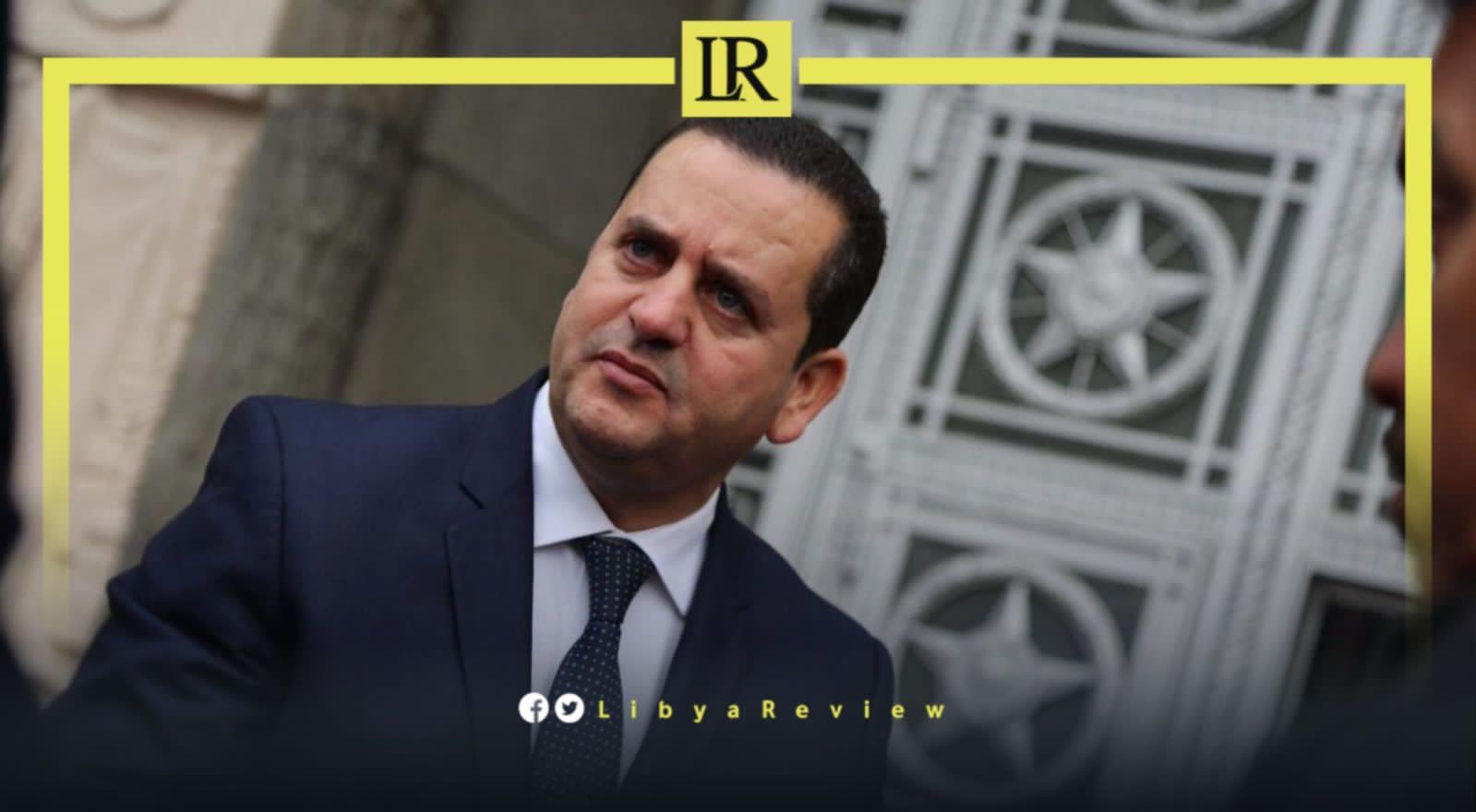
Libya’s Minister of Foreign Affairs and International Cooperation, Abdelhadi Al Hwaij, stated that the government will not accept any activity, program, or intervention conducted by international organizations operating from outside the Libyan state.
His remarks came during the 2026 second coordination meeting, which was attnded by representatives from government ministries, state institutions, and both governmental and non-governmental international organizations to regulate and streamline international engagement in Libya.
Al Hwaij emphasized that all international organizations must have a clear, officially registered presence inside Libya and operate under Libyan law and state oversight. He stressed that maintaining offices within the country is a fundamental requirement for ensuring transparency, accountability, and effective coordination. Without this, he warned, international activities risk bypassing state institutions and failing to address Libya’s true priorities.
The minister noted that some current projects carried out by international organizations do not reflect Libya’s national needs or the priorities set by local partners. He said that international support must be fully aligned with national strategies and directed toward sectors with the greatest impact, including public health, education, local development, and community stabilization.
Al Hwaij described the coordination meeting as an opportunity to reaffirm genuine, respectful partnerships that uphold Libya’s sovereignty and support meaningful development outcomes.
He underscored that the government expects all international organizations to operate transparently and in full coordination with the state, adding that Libya welcomes constructive international cooperation but will not tolerate unregulated or parallel structures.
This announcement follows measures introduced in July requiring diplomatic missions and international organizations to obtain prior authorization from the Ministry of Foreign Affairs before conducting movements or activities inside Libya. Under the new rules, all requests must be submitted formally to the ministry for review and approval.
Al Hwaij concluded that protecting Libya’s sovereignty and ensuring the integrity of international cooperation are essential to advancing stability and development, and that all partners must operate within the legal and administrative frameworks established by the Libyan state.

