
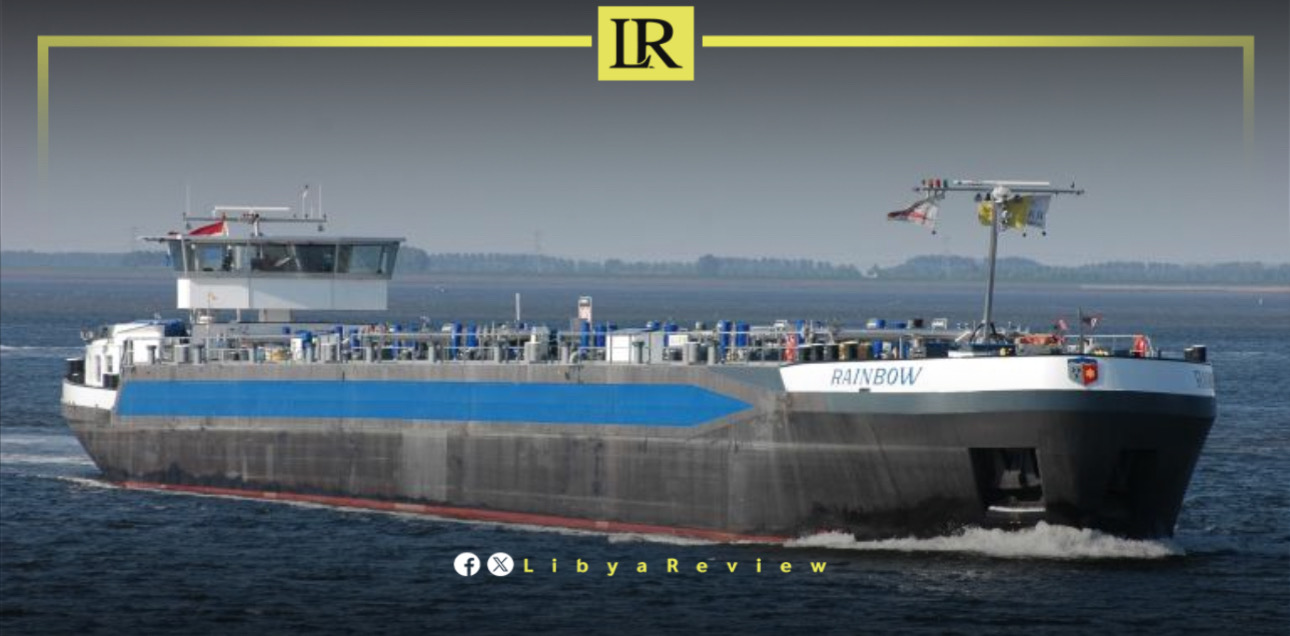
The tanker RAINBOW (Rainbow Spirit) docked at Benghazi Port carrying a 30,000 metric ton shipment of gasoline. State-owned Brega Petroleum Marketing Company – Libya’s fuel distribution firm – announced the vessel’s arrival on Friday, noting that the cargo is part of ongoing supply efforts to bolster strategic fuel reserves and meet regional demand. The delivered fuel is aimed at ensuring no interruptions in gasoline availability for residents of eastern Libya.
Brega officials added that the tanker is preparing to berth at the port’s oil terminal to begin offloading its load into the Ras Al-Manqar storage depot in Benghazi. All operations will follow standard procedures, allowing a steady flow of fuel to local stations without service disruption. The company emphasized that this measure will help maintain regular fuel distribution and prevent any shortages at petrol stations in the area.
Fuel Supply Challenges in Libya
Libya has faced recurrent fuel supply challenges, including periodic shortages and long queues at petrol stations in recent years. Brega Petroleum Marketing Company (BPMC) – a subsidiary of the National Oil Corporation (NOC) tasked with importing and distributing fuel has sometimes blamed delays in tanker arrivals for these shortages. Such delays, often caused by weather or logistical hurdles, are “beyond the control” of the NOC and Brega. When import shipments are postponed, the company has been forced to tap into emergency reserves and temporarily cut daily distribution until new cargoes arrive.
Another major strain on Libya’s fuel supply is fuel smuggling. The country’s heavily subsidized gasoline is frequently diverted to the black market or smuggled into neighboring countries, depriving the local market of supply. An international watchdog report estimates that Libya loses around $6.7 billion a year to fuel smuggling networks exploiting the subsidy system. This illicit trade has contributed to chronic fuel shortages and extremely long lines for fuel, as ordinary citizens find themselves competing with smugglers for available gasoline.
Despite being an OPEC member with Africa’s largest crude oil reserves, Libya must import much of its refined fuel because its domestic refining capacity is insufficient to meet demand. These factors make timely fuel imports – like the RAINBOW tanker’s 30,000-ton shipment – critical for keeping vehicles running and avoiding fuel crises in Libyan cities.

