
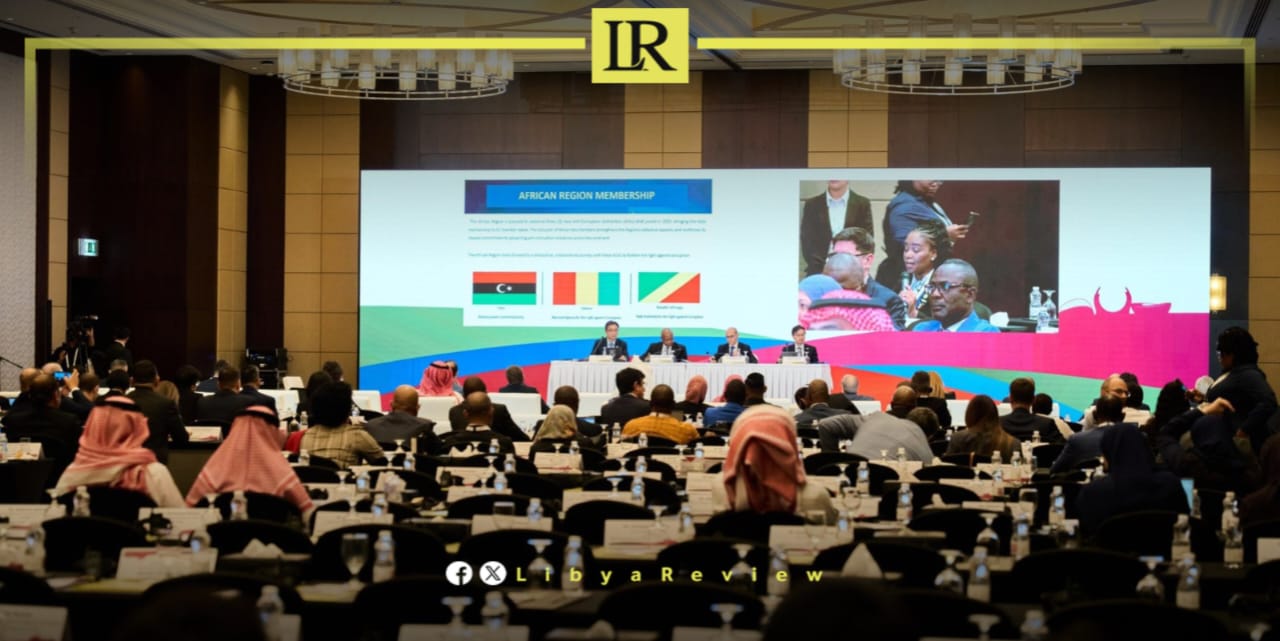
Libya’s Administrative Control Authority has officially joined the International Association of Anti-Corruption Authorities, marking a significant step in strengthening the country’s engagement with global governance and integrity frameworks. The membership was approved during the association’s fifteenth General Assembly, following Libya’s participation in a series of high-level meetings hosted in Doha, Qatar.
The decision came on the sidelines of Libya’s attendance at the executive committee meeting, the annual conference, and the General Assembly of International Association of Anti-Corruption Authorities, an international body that brings together 192 anti-corruption agencies and oversight institutions from around the world. The gatherings provided a prominent platform for advancing international cooperation and coordinating efforts to combat corruption across jurisdictions.
Doha’s meetings drew wide participation from senior officials, judicial and oversight experts, and researchers representing international regulatory and enforcement bodies. The discussions focused on shared challenges facing anti-corruption institutions and on practical mechanisms for improving cross-border collaboration, information exchange, and institutional effectiveness. This year’s meetings were held under the theme “Integrity for the Future: Innovation, Cooperation and Action Against Corruption.”
Key sessions addressed the importance of deepening international cooperation to build a corruption-free global environment, harnessing technology and innovation to strengthen transparency and accountability, and mobilising societies to move from awareness to concrete action in fighting corruption. Participants also examined emerging risks linked to digitalisation and explored new tools to enhance oversight and preventive controls.
Ibrahim Ali, Adviser to the Head of Libya’s Administrative Control Authority for Foreign Affairs and International Cooperation, said the accession represents a strategic milestone for Libya. He stressed that membership will reinforce Libya’s institutional presence at the international level and enable the authority to benefit from comparative global experiences, capacity-building programmes, and best practices in oversight, transparency, and good governance.

