
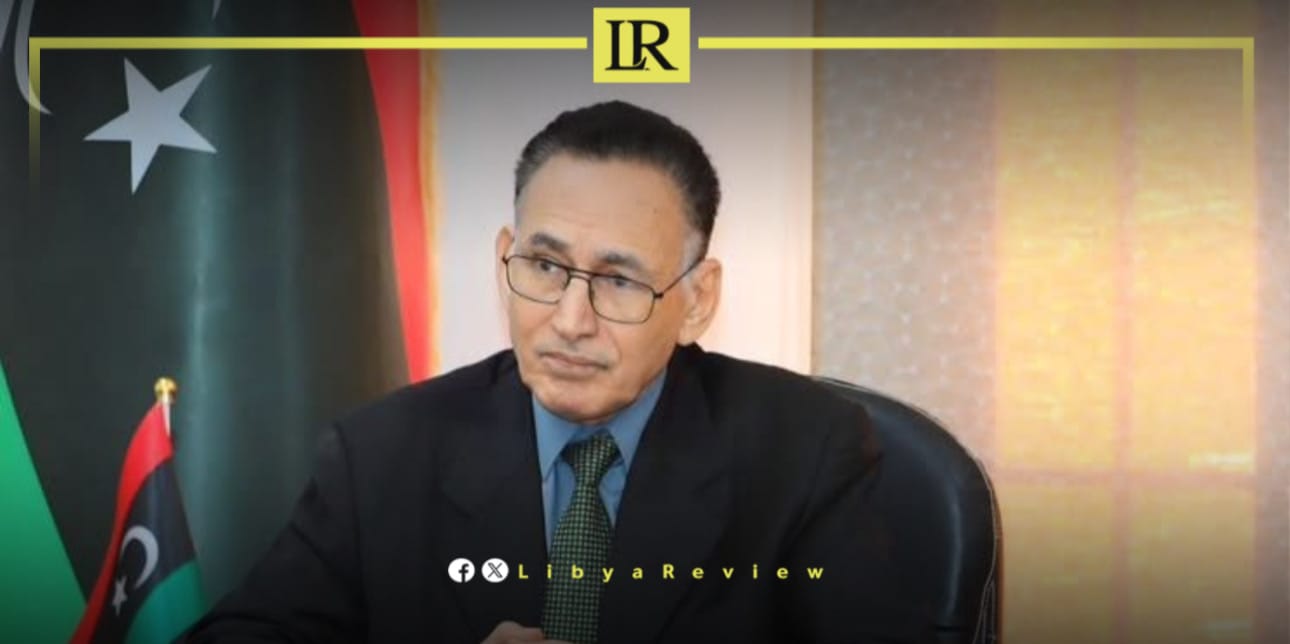
Libya’s Ministry of Economy and Trade Mohamed Al-Hwaij has announced a comprehensive strategy aimed at protecting consumers, stabilising prices and eliminating currency smuggling, as the government intensifies efforts to restore order to the domestic market.
Al-Hwaij said the ministry has developed an integrated vision to regulate trade and confront practices that harm the national economy. His remarks were published in an official statement issued by the ministry.
Al-Hwaij confirmed that an indicative import budget has been prepared to help organise the market and direct real demand. He said the measure would reduce distortions in trade activity and limit the misuse of foreign currency allocated for imports.
The minister stressed that the ministry has already begun granting incentives and advantages to what he described as “honest traders” who support the national economy. At the same time, he warned that strict action would be taken against currency smugglers and anyone exploiting citizens’ basic needs.
According to Al-Hwaij, the ministry will carry out its legal responsibilities without hesitation and in full coordination with law-enforcement and security bodies. He said the aim is to dismantle corruption networks, strike at monopolies and currency smuggling rings, and impose the authority of the state within the Libyan market.
As part of the new measures, the ministry plans to publish periodic lists of imported goods along with indicative prices. Al-Huwaij said this step would allow citizens to monitor prices, curb manipulation and strengthen consumer protection.
The minister underlined that inspection campaigns will continue until trade is fully organised and illegal practices are eliminated. “This is the year of decisive action,” he said, adding that the state must either succeed in regulating trade and protecting the national economy or risk continued disorder.
The announcement reflects growing government pressure to stabilise Libya’s economy amid persistent challenges related to inflation, market instability and the misuse of foreign currency.

