
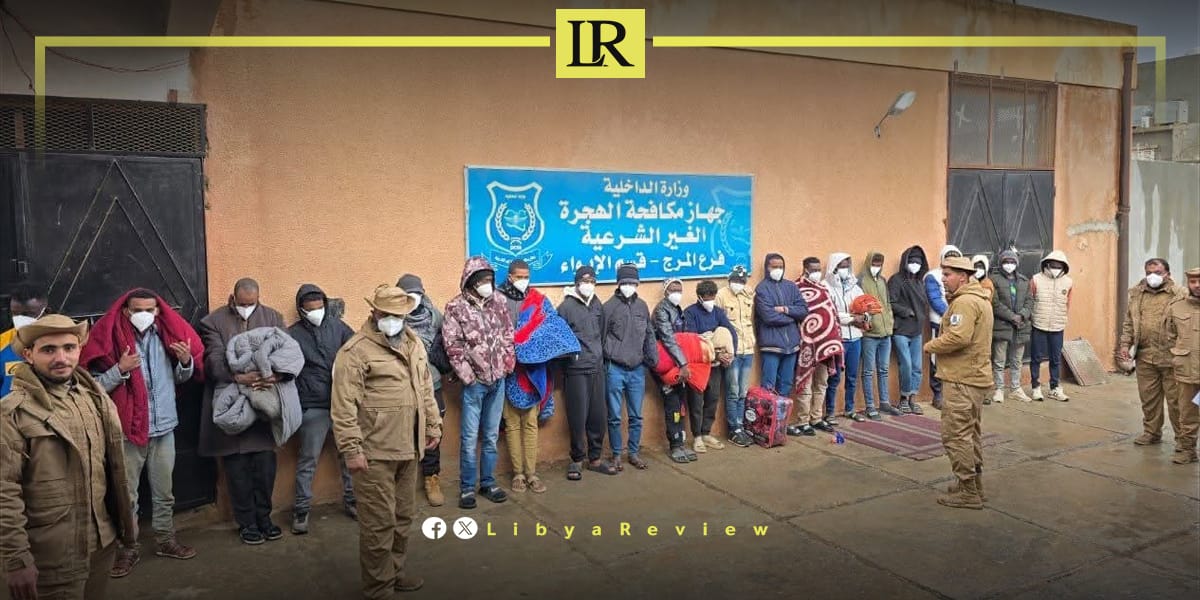
Libya’s Anti-Illegal Migration Agency has carried out the deportation of 75 irregular migrants as part of ongoing efforts to enforce migration laws and address public health concerns.
The operation was conducted by the Al-Marj branch of the Anti-Illegal Migration Agency and was implemented in accordance with approved legal, security and health procedures, the agency said in a statement.
According to the agency, the deportation process included comprehensive medical screening to identify special health cases among the migrants prior to their removal. Health checks revealed seven cases infected with viral hepatitis and two cases diagnosed with HIV/AIDS, highlighting the importance of medical oversight during such operations.
The agency stressed that all deportation measures were carried out in line with national regulations and established health protocols. It said this approach aims to ensure the safety of personnel involved in the operation, as well as to prevent the spread of communicable diseases during detention, transfer and deportation procedures.
Officials added that coordination was maintained with relevant health and security authorities throughout the process to guarantee that humanitarian considerations and public health standards were respected. Migrants identified with health conditions were handled in accordance with medical guidelines before completing the deportation process.
The Anti-Illegal Migration Agency reaffirmed its commitment to applying Libyan laws regulating migration while balancing security requirements with humanitarian and health responsibilities. It noted that similar operations will continue as part of a broader strategy to manage irregular migration across eastern Libya.
Libya remains a key transit country for migrants seeking to reach Europe, a situation that places sustained pressure on state institutions and local communities. Authorities have repeatedly said that irregular migration poses security, economic and health challenges, particularly in areas hosting detention facilities.
The agency emphasised that deportation operations are conducted only after completing all required legal procedures and documentation. It also called for continued national and international cooperation to address the root causes of irregular migration and to support Libya in managing the issue in a lawful and humane manner.

