
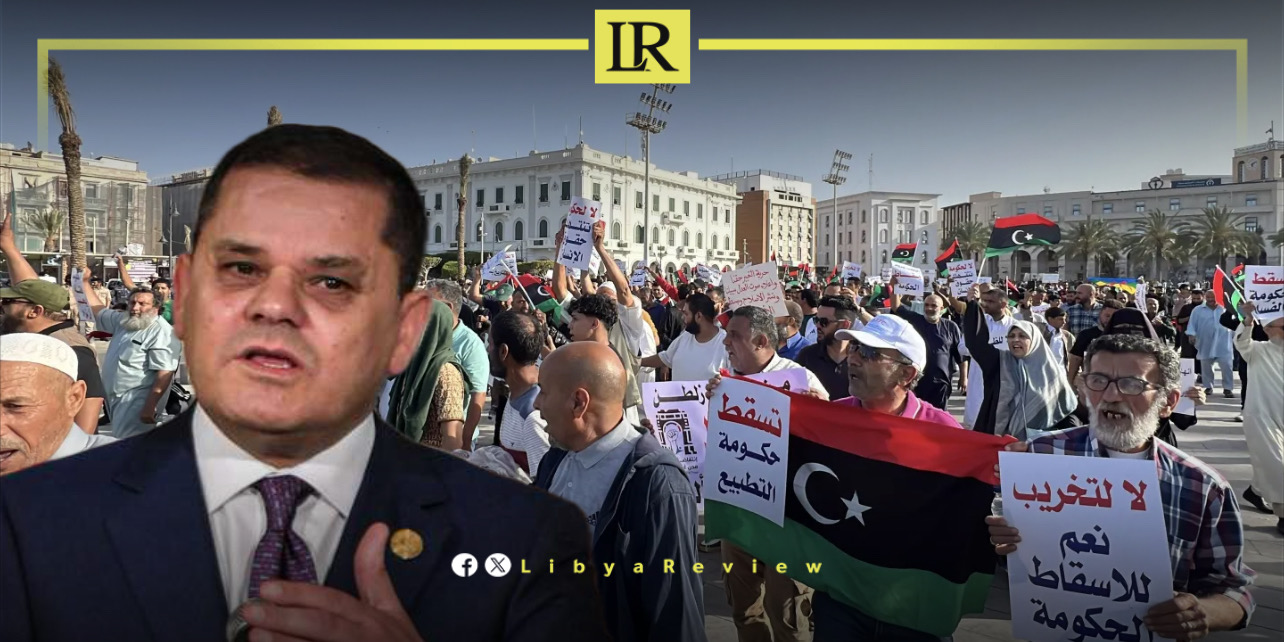
Calls have emerged in western Libya for a unified peaceful demonstration, as activists and grassroots movements urged citizens to take to the streets to protest policies pursued by the Government of National Unity (GNU) headed by Abdel-Hamid Dbaiba.
According to the organizers, the planned marches reflect growing public anger over deteriorating living conditions, rising prices, declining services, and persistent insecurity.
They argue that years of economic mismanagement and political stagnation have placed an increasing burden on ordinary Libyans, leaving many households struggling to meet basic needs.
Activists blame the government for wasting public funds and engaging in controversial external agreements, including deals related to military technology, at a time when citizens are facing severe economic pressure.
The protest calls emphasize that the demonstrations will be peaceful and inclusive, intended to represent a broad segment of society rather than a single political current.
However, organizers warned that continued disregard for public demands could lead to stronger forms of popular pressure, including calls to halt oil and gas production until meaningful political change is achieved.
In addition to domestic demands, the protest movement has adopted positions on international issues. Participants are calling on the international community, particularly NATO countries, to acknowledge responsibility for the consequences of the 2011 intervention in Libya and to address the long-term damage it caused.
The movement also rejects any involvement of the International Criminal Court in Libyan affairs, insisting that legal accountability for Libyan citizens must remain the exclusive responsibility of national courts.
The calls for protest have gained further momentum following statements of support from leaders of armed groups and revolutionary brigades in Misrata, who announced their backing for the peaceful movement.
Their statement called for the removal of the current government, rejected foreign interference, opposed plans to resettle irregular migrants in Libya, and warned against external pressure on the process of unifying the military institution.

