
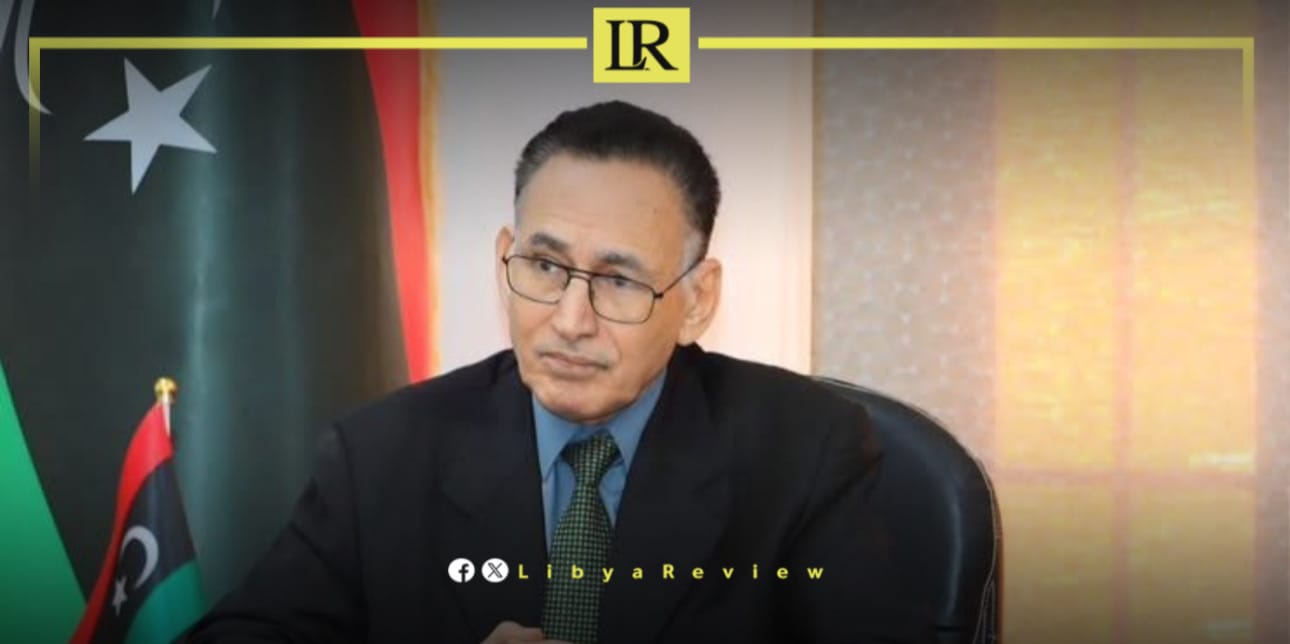
Libya’s Minister of Economy and Trade, Mohamed Al-Hwaij, has issued a new decision prohibiting the pricing of goods based on foreign currency rates in the parallel market, in a move aimed at restoring market discipline and protecting consumers from unjustified price increases.
The decision, Resolution No. 51 of 2026, applies to all companies, suppliers, and commercial entities operating in Libya and explicitly bans the use of black-market exchange rates when setting prices for goods. Instead, pricing must be based on officially recognized financial mechanisms, reflecting the government’s effort to limit the impact of currency speculation on everyday living costs.
Under the new rules, companies that encounter difficulties in securing letters of credit for imports are required to file a formal grievance with the Ministry of Economy and Trade. These complaints will be reviewed in coordination with the Central Bank of Libya to identify the reasons behind the delay or refusal of credit, particularly in cases where access to imports is essential to maintaining the company’s market position and ensuring the availability of goods.
The ministry stated that the decision is part of broader efforts to regulate markets, curb inflationary pressures, and reduce distortions caused by reliance on the parallel exchange market. Officials stressed that unchecked pricing based on unofficial rates has contributed to rising costs for consumers and weakened confidence in the formal economy.

