
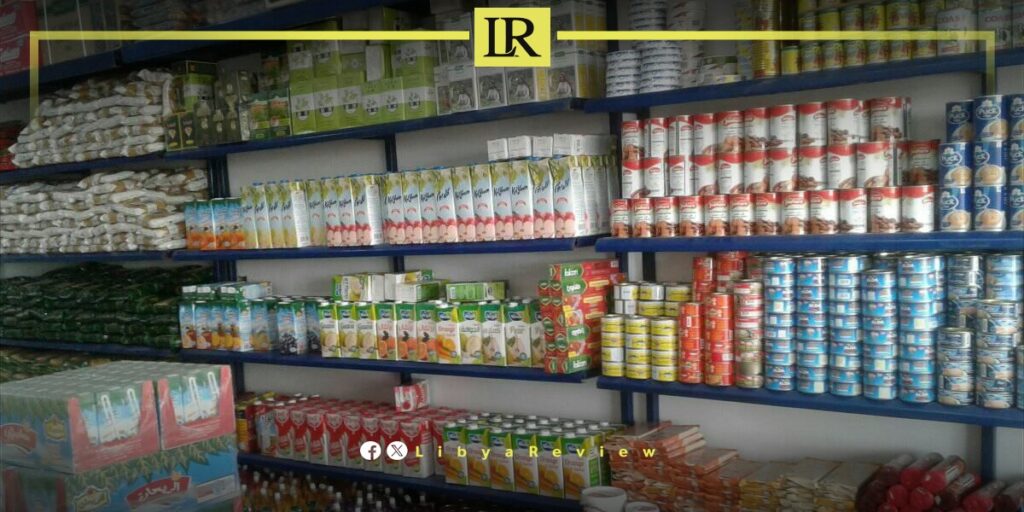
The Libyan Development and Reconstruction Fund has announced a nationwide initiative to sell five essential food items at subsidised prices through registered consumer cooperatives across all municipalities, in a move aimed at easing pressure on household budgets.
The decision was issued by the Fund’s Director General Belgassem Khalifa Haftar, according to a statement published on the Fund’s official Facebook page. The measure covers cooking oil, rice, sugar, flour and tomato paste, with sales organised through the national identification number system to ensure fair distribution based on family size.
Under the scheme, cooking oil will be sold at 5.30 Libyan dinars per bottle, rice at 2.56 dinars per kilogram, sugar at 2.30 dinars per kilogram, flour at 1.58 dinars per kilogram and tomato paste at 2.30 dinars per can. The pricing structure is designed to make basic staples more affordable while maintaining transparency and equal access for citizens.
The Fund said the initiative was coordinated with officially registered consumer cooperatives in municipalities, aiming to ensure that subsidies reach eligible families efficiently. Officials stressed that linking purchases to the national number system would prevent duplication and limit misuse, while reinforcing the principle of equal opportunity among consumers.
According to the decision, the Libyan Development and Reconstruction Fund will bear the full cost of subsidising the selected goods as part of broader efforts to counter rising prices of essential commodities. The measure forms part of a wider package of social support policies intended to mitigate the impact of inflation on low- and middle-income households.
The Fund confirmed that the decision takes effect immediately and is binding on all relevant parties, each within their respective responsibilities. Authorities expressed hope that the initiative would contribute to market stability and help protect purchasing power during a period of economic strain.
Officials added that further steps may be considered if market conditions continue to place pressure on consumers, underlining the Fund’s commitment to social stability and equitable economic support.

