
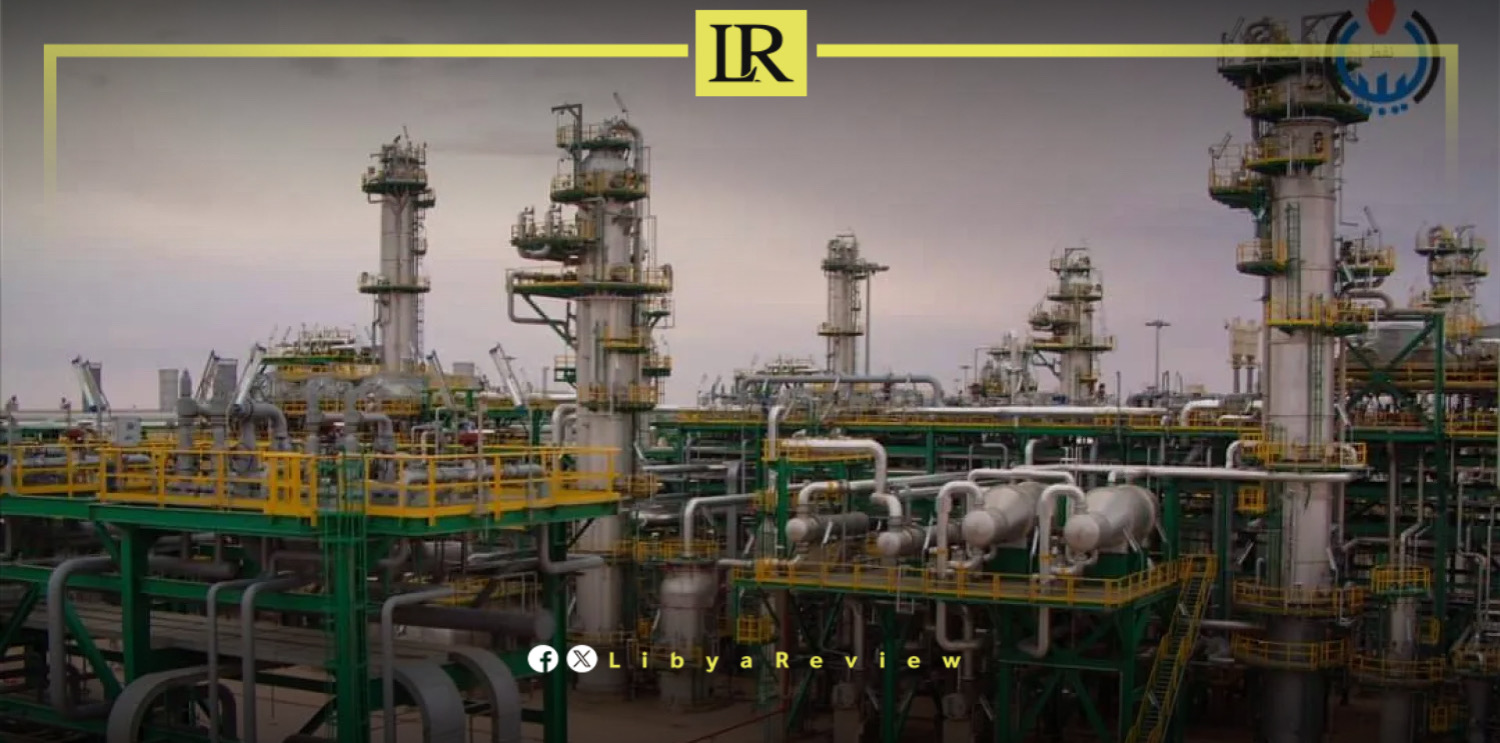
Libya is witnessing renewed optimism in its oil sector as global crude prices approach $90 per barrel, raising expectations of higher national revenues.
However, many observers warn that the anticipated oil windfall may not translate into real economic improvement due to persistent political divisions and structural economic weaknesses.
Oil remains the backbone of Libya’s economy, accounting for the overwhelming majority of government revenues and export earnings. With production averaging about 1.37 million barrels per day earlier this year, the country stands to benefit significantly from rising energy prices.
Despite this opportunity, concerns remain that the benefits of higher oil prices may not reach ordinary citizens. Libya continues to face a deep political divide between rival administrations competing for authority over national institutions and state revenues.
Economists argue that the competition between the two administrations over spending and control of financial resources could undermine the potential benefits of higher oil revenues.
According to figures from the Central Bank of Libya, the country generated approximately 136 billion Libyan dinars in oil revenues during 2024. Yet the state wage bill alone consumed more than half of that amount, reflecting a heavy burden on public finances.
Structural weaknesses further complicate the picture. Libya continues to rely heavily on imports for fuel and basic goods, while fuel smuggling and uncontrolled spending drain public resources. At the same time, the National Oil Corporation faces challenges related to limited investment budgets and aging infrastructure, which may restrict efforts to increase production capacity in the future.
Economists warn that injecting more oil revenues into an environment marked by weak oversight and widespread corruption could intensify political competition rather than improve economic stability.
For many Libyans, rising oil prices bring cautious hope—but also skepticism that the wealth generated from the country’s vast natural resources will lead to tangible improvements in living standards.

