
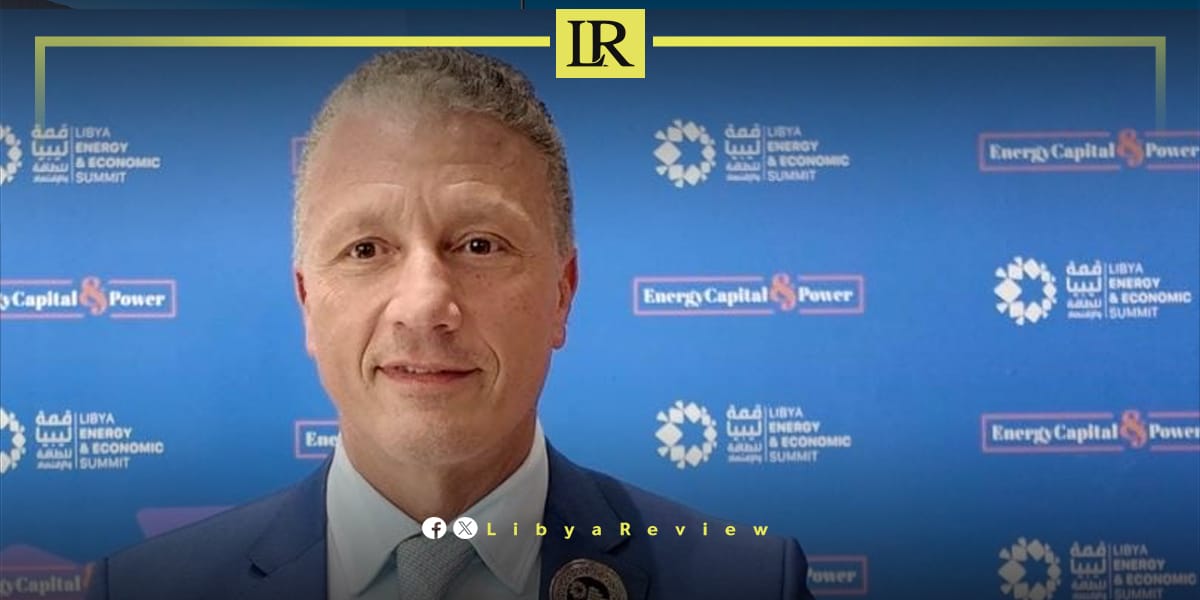
Oilfield services company National Energy Services Reunited (NESR) is expanding its footprint in Libya, introducing new technical services and a digital innovation platform aimed at accelerating production growth in the country’s oil and gas sector.
Speaking to Energy Capital & Power, NESR Chairman and Chief Executive Sherif Foda said the company is strengthening its operational capacity in Libya by launching hydraulic fracturing and coiled tubing services for the first time in the market. The move is expected to enhance local oilfield services capabilities and reduce reliance on external providers.
Foda also highlighted the rollout of “Nama” – derived from the Arabic word for growth and prosperity – a technology-driven platform that integrates specialised engineering teams with advanced software solutions. The system is designed to analyse oil and gas fields, assess shut-in wells and develop detailed blueprints aimed at increasing production.
According to the company, Nama combines data analytics with on-the-ground technical expertise to identify cost-effective strategies for boosting output, particularly in mature or underperforming fields. In Libya, where many wells require rehabilitation or optimisation, such solutions could support efforts to maximise existing assets.
NESR recently secured a major contract linked to the Jafurah unconventional gas project in Saudi Arabia, a multi-billion-dollar development widely regarded as one of the world’s largest unconventional gas initiatives. The project has enabled the company to build extensive experience in large-scale unconventional operations, cost management and integrated service delivery.
Foda said the technical knowledge gained from Jafurah is now being transferred to Libya, with the goal of unlocking untapped reserves and improving efficiency across the upstream sector.
As Libya seeks to stabilise production and attract further investment, the introduction of advanced oilfield services and data-driven optimisation tools could play a crucial role in strengthening output, enhancing recovery rates and supporting long-term energy sector growth.

