
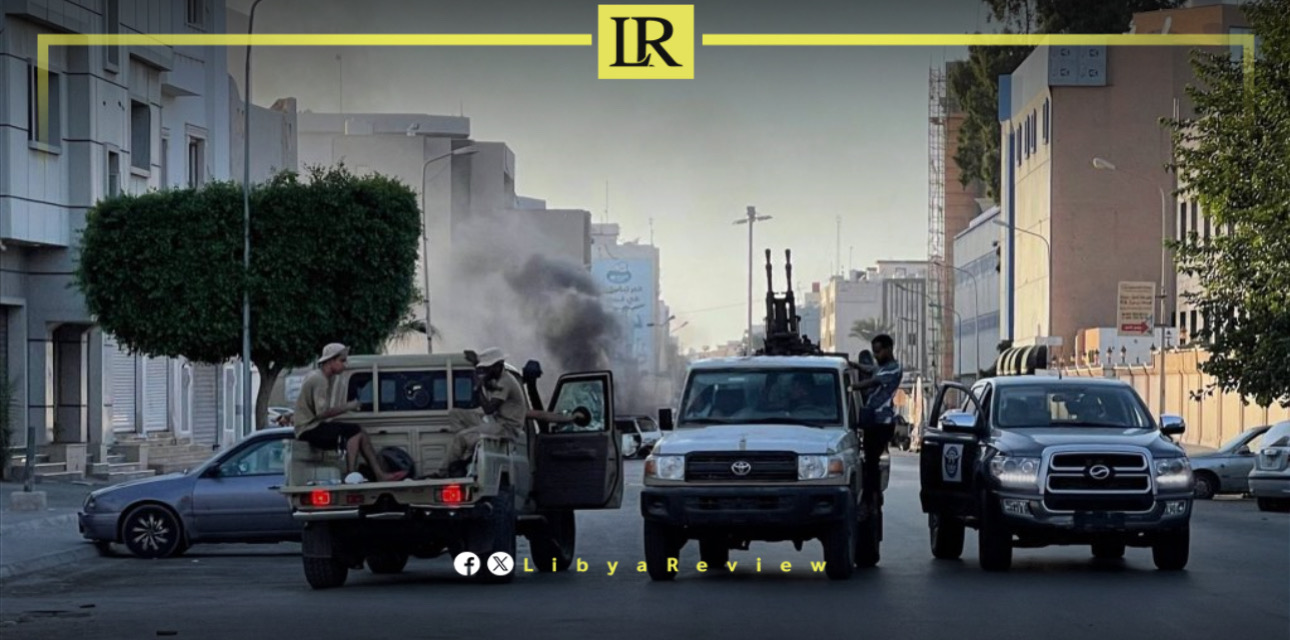
A French report has warned that Libya may be entering a dangerous new phase of instability, nearly fifteen years after the fall of former leader Muammar Gaddafi. The analysis argues that unresolved political divisions, delayed elections, economic decline, and fragile security arrangements are combining to create conditions that could trigger renewed violence.
According to the French publication Afrique, Libya remains split between two competing authorities: the Government of National Unity in Tripoli led by Abdel-Hamid Dbaiba and an eastern-based administration.
This institutional divide has stalled efforts to unify state structures and organize long-awaited presidential and parliamentary elections.
Disputes over the legal framework governing elections remain unresolved, particularly within the “6+6” committee responsible for drafting electoral laws. Although the High National Elections Commission stated in late 2025 that elections could technically begin in April 2026, the report notes that such plans depend on political consensus that currently appears out of reach.
The killing of Saif al-Islam Gaddafi in early February 2026 has further complicated the political landscape. Analysts cited in the report suggest that his death could alter electoral calculations, particularly among supporters of the former regime.
The report also highlights Libya’s worsening economic situation. Despite vast oil wealth, the country faces currency depreciation, rising inflation, fuel shortages, and declining living standards. French officials reportedly warned at the UN Security Council that economic deterioration is intensifying political tensions and urged agreement on a unified national budget to restore stability.
Security conditions remain fragile. Although a ceasefire signed in October 2020 is formally in effect, sporadic clashes, including deadly fighting in Tripoli in 2025, demonstrate ongoing volatility. The widespread availability of weapons, weakened institutions, and growing public frustration over power cuts and high prices could, the report concludes, push Libya toward a renewed cycle of unrest.

