
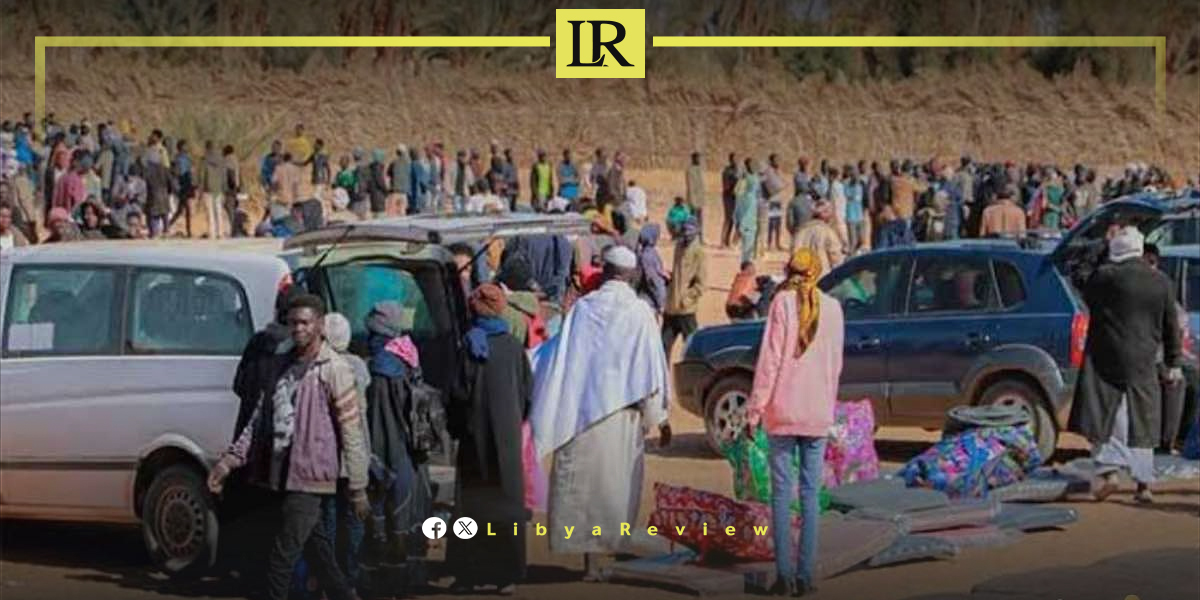
As Sudan’s conflict approaches its fourth year, the United Nations High Commissioner for Refugees and 123 humanitarian partners have launched a $1.6 billion appeal to assist millions of people displaced by the war, including those who have sought refuge in Libya.
The 2026 Sudan Regional Refugee Response Plan aims to provide life-saving aid to 5.9 million people across seven neighboring countries: the Central African Republic, Chad, Egypt, Ethiopia, Libya, South Sudan, and Uganda. Libya remains one of the countries directly impacted by the continued flow of Sudanese refugees, adding pressure to an already fragile economic and social environment.
The plan prioritizes support for approximately 470,000 new refugees expected to cross into neighboring states this year, in addition to thousands who remain stranded in border regions with minimal access to assistance. For Libya, which faces ongoing financial constraints and institutional challenges, the added humanitarian burden increases demands on public services, healthcare systems, and local communities.
The war in Sudan, which erupted in April 2023 between the Sudanese Armed Forces and the Rapid Support Forces, has become the largest displacement crisis globally, according to UN officials. Mamadou Dian Balde, UNHCR Regional Director for East and Southern Africa, said the need for a fourth consecutive annual funding appeal reflects both the prolonged nature of the conflict and the severe strain on humanitarian resources.
He warned that host governments and communities — including those in Libya — continue to demonstrate solidarity but are approaching the limits of their capacity. Funding shortfalls across the region have already forced aid agencies to scale back services, including shelter support, healthcare access, registration operations, and food assistance.
UNHCR stressed that sustained international backing is essential to ensure refugees in Libya receive adequate protection, medical care, shelter, and basic services. Without increased financial support, the widening gap between rising humanitarian needs and shrinking resources could undermine emergency relief efforts and place additional strain on host countries.

