
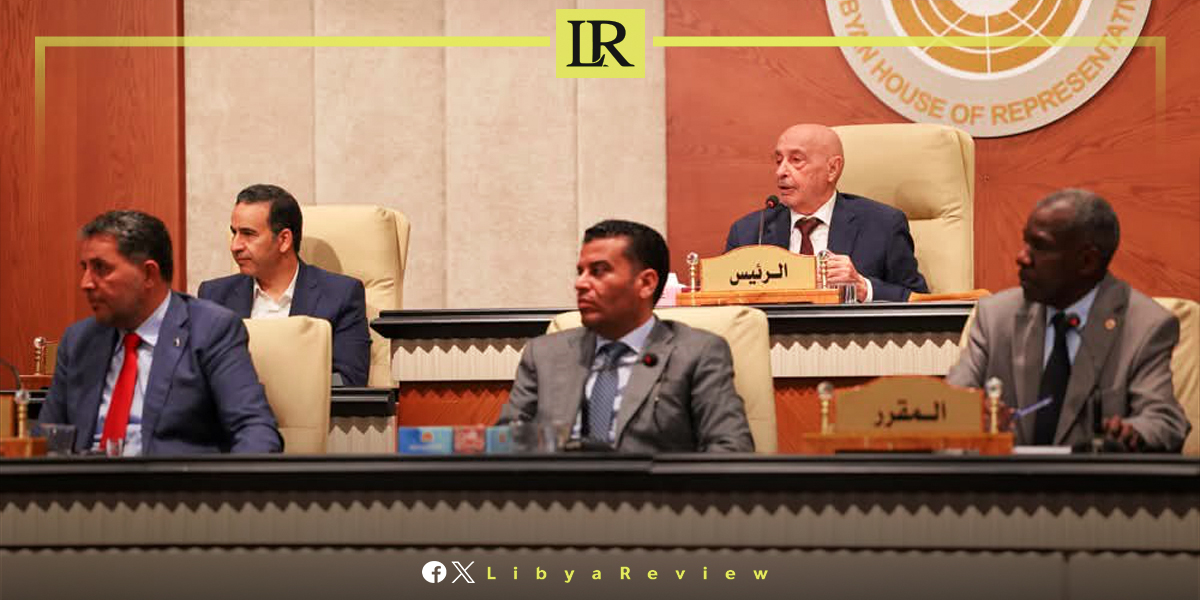
Libya’s House of Representatives has issued a detailed statement clarifying the causes behind the recent fuel shortages, attributing the crisis primarily to reduced import volumes and insufficient operational reserves, while urging immediate action to strengthen the country’s strategic fuel stockpile.
The parliamentary Fuel and Derivatives Crisis Follow-Up Committee explained that it was formed under Decision No. 5 of 2026 to investigate the roots of the crisis and assess responsibilities. Parliament described the fuel file as a sovereign issue with direct implications for economic stability, public services, and citizens’ daily lives, stressing that supply disruptions cannot be treated as routine logistical matters.
According to the committee’s review, Brega Petroleum Marketing Company is responsible for local distribution of fuel, while the National Oil Corporation’s international marketing department oversees imports to cover domestic demand. An examination of shipment schedules during late 2025 and early 2026 revealed a significant reduction in the number of fuel tankers arriving by sea, particularly between August and December 2025. During that period, the number of vessels was reduced from an average of 12 to 13 shipments to lower levels, creating a supply gap.
Parliament stated that this reduction coincided with peak consumption levels, resulting in a widening gap between demand and available supply. The situation was further aggravated by reliance on scheduled tanker arrivals without maintaining sufficient buffer stocks. As a result, any delay in maritime transport — especially during the winter season when weather conditions affect port operations — directly disrupted distribution and caused fuel shortages in several areas.
The committee emphasized that addressing the crisis requires a structured planning approach based on accurate consumption data and realistic import programming. It recommended increasing the number of monthly fuel shipments by at least two additional cargoes to rebuild operating reserves and provide greater flexibility in absorbing fluctuations or unexpected delays.
The House of Representatives affirmed that it will continue to exercise its oversight authority to ensure transparency, stabilize fuel supplies, and protect national resources. Lawmakers called for improved coordination between relevant institutions to prevent future disruptions and guarantee consistent fuel availability across the country.

