
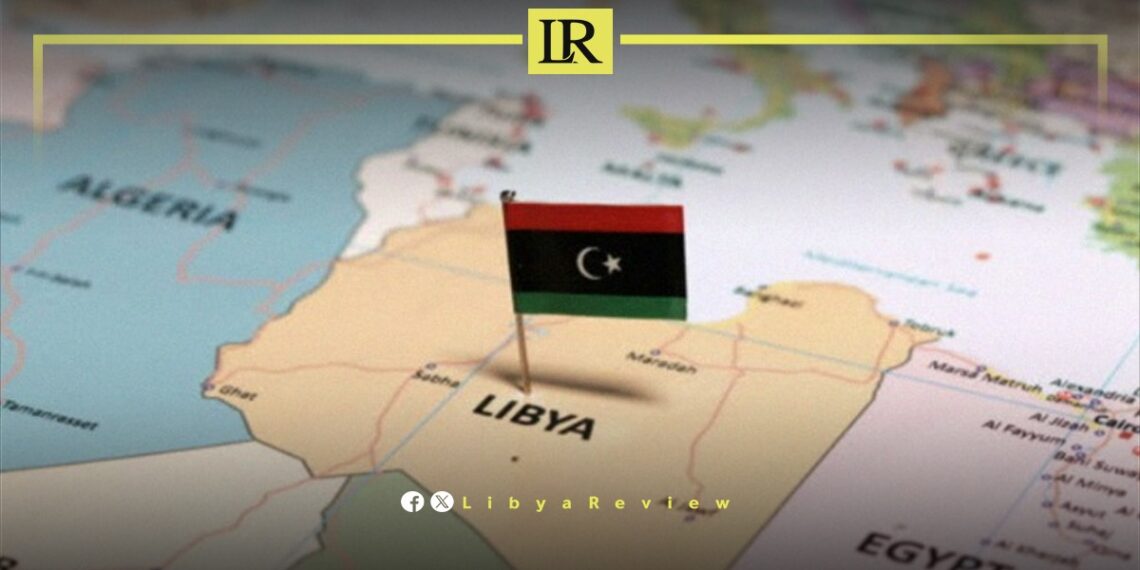
Libya ranked 81st globally and sixth among Arab countries in the 2026 World Happiness Report, reflecting ongoing challenges that continue to affect living conditions and overall well-being.
The report, issued by the United Nations Sustainable Development Solutions Network, evaluated 147 countries based on multiple indicators measuring quality of life and public satisfaction.
The index takes into account several key factors, including income per capita, physical and mental health, quality of public services, personal freedoms, trust in institutions, and levels of safety and social cohesion.
Libya’s position highlights the impact of prolonged political instability, economic pressures, and gaps in public services.
Gulf countries once again led the Arab rankings. The United Arab Emirates ranked first regionally and 21st globally, followed by Saudi Arabia in 22nd place worldwide. Kuwait came 40th globally, while Bahrain and Oman ranked 55th and 58th respectively.
In contrast, Libya’s mid-range position within the Arab world reflects the cumulative effect of years of political division and security concerns.
Economic challenges, including unemployment and uneven access to services, continue to influence daily life. Disruptions in infrastructure and public utilities further contribute to lower satisfaction levels among citizens.
The report noted that differences in rankings across the region largely mirror disparities in economic stability and governance.
Countries with stronger institutions, diversified economies, and consistent development strategies tend to score higher in overall happines.
It also emphasized that well-being extends beyond economic performance. Factors such as psychological health, trust in governance, and opportunities for social participation play a critical role in shaping how citizens perceive their quality of life.
For Libya, improving these areas remains a key challenge.
Elsewhere in the Arab world, Algeria ranked 83rd globally, followed by Iraq (95), Tunisia (105), Palestine (109), Morocco (112), Somalia (117), Jordan (119), Comoros (136), Egypt (139), Lebanon (141), and Yemen (142).

