
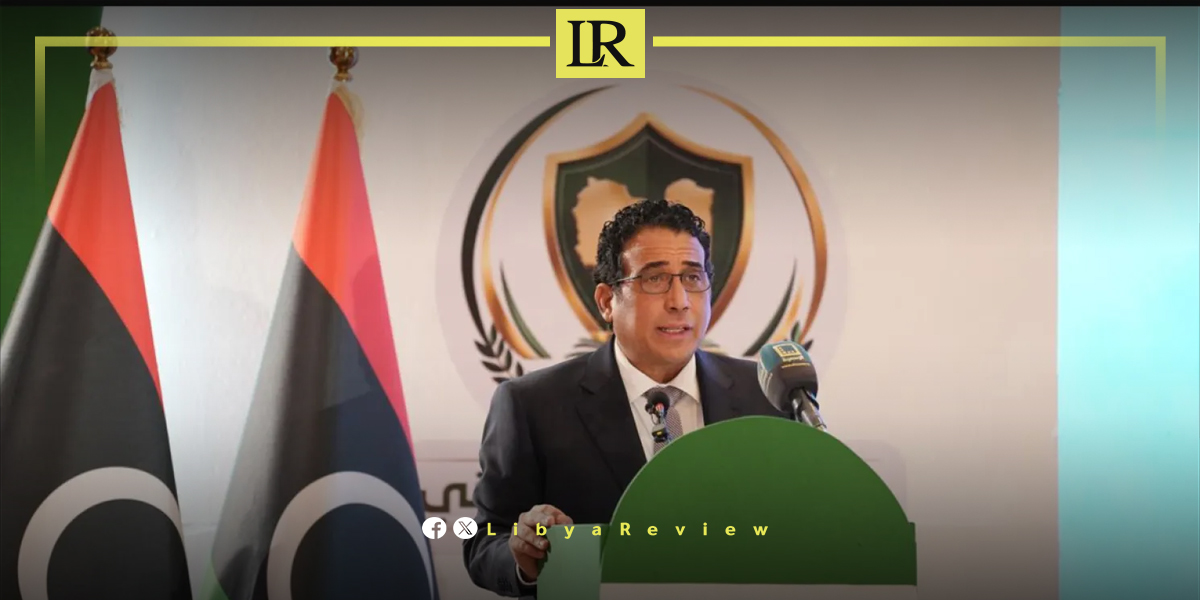
Head of the Presidential Council Mohamed Al-Mnifi has issued a stark warning over Libya’s worsening economic conditions, revealing that more than 40 percent of the population now lives below the poverty line amid a sharp decline in the value of the national currency.
In an official address, Al-Mnifi stated that the Libyan dinar has lost nearly 80 percent of its purchasing power, significantly impacting living standards and reducing the ability of households to meet basic needs. He described the situation as a clear reflection of the depth of the country’s economic crisis.
Al-Mnifi attributed much of the deterioration to continued public spending under a divided political system, where multiple authorities operate in parallel. He warned that this fragmentation has created financial and administrative disorder, making it difficult to implement consistent and effective economic policies.
He also highlighted concerns over the mismanagement of public funds, noting that billions have been spent without delivering noticeable improvements in essential services. This, he said, has contributed to declining public trust in state institutions and their capacity to respond to citizens’ needs.
The economic downturn has been accompanied by visible declines in key sectors, particularly electricity and healthcare, further intensifying the daily challenges faced by citizens. Al-Mnifi stressed that these pressures are increasing social and economic instability.
He cautioned against using the country’s financial reserves to fund competing governments, warning that such actions could further undermine financial stability. He called for strict adherence to transparency and accountability in managing public resources.
Al-Mnifi emphasized that addressing the economic crisis requires a comprehensive political solution. He argued that lasting recovery depends on ending institutional divisions and establishing a unified authority through elections capable of implementing reforms and stabilizing the economy.

