
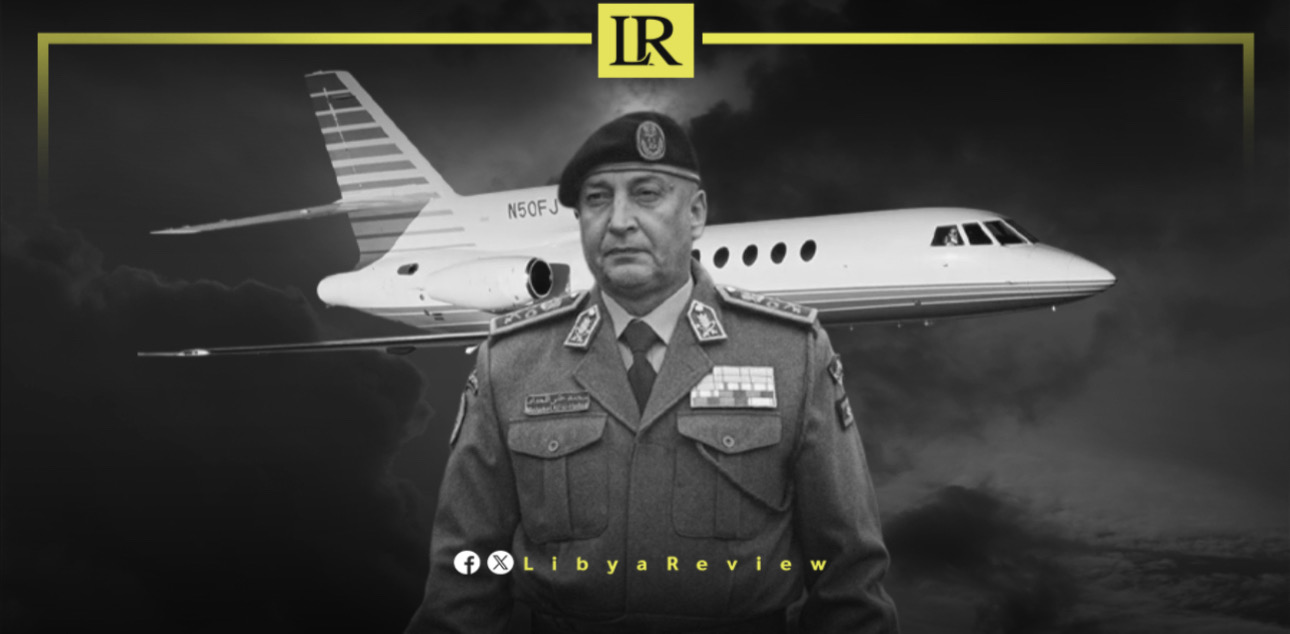
Diverging statements from Turkish officials and political figures have revealed clear divisions over the incident involving the aircraft that was carrying Libya’s former Chief of Staff in Tripoli, Mohamed Al-Haddad, with questions still unresolved months after the event.
The incident occurred on December 24 shortly after the aircraft took off from Ankara. Turkish authorities officially attributed the event to a sudden electrical malfunction. However, this explanation has not prevented continued debate, as political and aviation figures in Turkey have offered conflicting interpretations.
Oktay Erdagi, former Deputy Director General of Turkish Civil Aviation, questioned the handling of the aircraft before departure. He expressed concern that the plane may not have been adequately monitored or secured, stressing that strict inspection and safety protocols should have been enforced before takeoff.
Political reactions have further complicated the narrative. Devlet Bahceli, head of the Nationalist Movement Party, described the incident as both troubling and significant, pointing to its timing alongside Turkey’s decision to extend its military mission in Libya for an additional two years.
Meanwhile, Deniz Yavuzyilmaz, a senior figure in the Republican People’s Party, suggested the possibility of sabotage, though he did not present evidence to support the claim. His remarks added to growing speculation surrounding the incident.
More controversial accusations came from Dogu Perincek, leader of the Patriotic Party, who alleged that foreign actors, including the United States and Israel, were behind the incident. These claims, widely viewed as politically driven, highlight the depth of division within Turkey over how to interpret what happened.
Despite the range of competing narratives, the official Turkish position remains unchanged, maintaining that the incident was caused by a technical failure. However, the ongoing political and media debate suggests that the incident continues to raise unanswered questions.

