
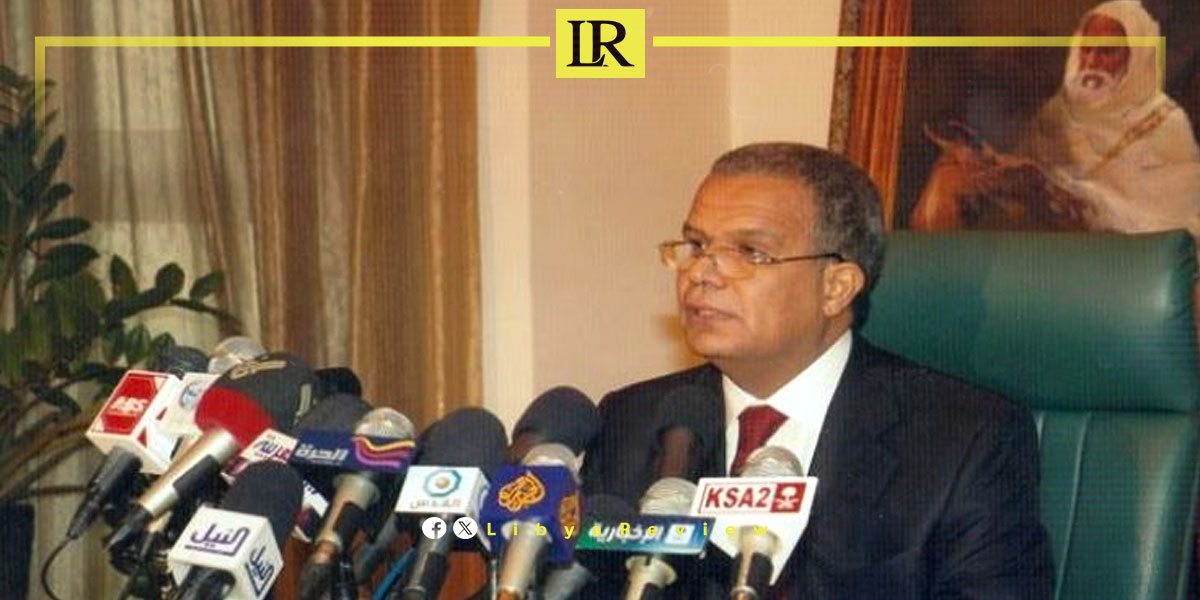
Former Libyan Ambassador to Jordan, Mohamed Al-Barghathi, has urged Libyans to stop relying on international efforts to resolve the country’s prolonged crisis, stressing that a sustainable political solution must emerge from within Libya itself.
In a strongly worded message, Al-Barghathi called on citizens to reconsider expectations from global institutions, particularly the United Nations, arguing that the organization is already burdened with decades-long unresolved conflicts across the world.
Call for a Homegrown Political Solution
Al-Barghathi emphasized that Libya’s future cannot depend on external mediation alone, stating that real progress requires national ownership of the political process. He warned that overreliance on international actors risks prolonging instability rather than resolving it.
He said the United Nations continues to struggle with multiple long-standing global crises, citing examples such as the Palestinian issue, the Jammu and Kashmir conflict, the Cyprus dispute, the Western Sahara conflict, and the ongoing crisis in Somalia — all of which remain unresolved despite decades of international involvement.
Criticism of International Mediation Efforts
According to Al-Barghathi, the pattern of international engagement often leads to repetitive cycles of diplomatic meetings without tangible outcomes. He described the situation as a revolving door of envoys and briefings that fail to deliver lasting solutions on the ground.
“The files are heavy, and the stories are long. Envoys come and go, meetings and briefings never end,” he noted, highlighting frustration with the pace and effectiveness of global diplomatic efforts.
Libyans Must Lead the Way
Reaffirming his stance, Al-Barghathi insisted that only Libyans have the capacity to resolve their political divisions and rebuild state institutions. He underlined that any viable solution must be nationally driven and broadly supported across the country.
“The solution must either be Libyan-made or it will not exist,” he stated, expressing confidence in the ability of Libyans to overcome the crisis and restore stability.
He concluded his message on a hopeful note, asserting that Libya has the potential to emerge stronger as a unified nation and functioning state.

