
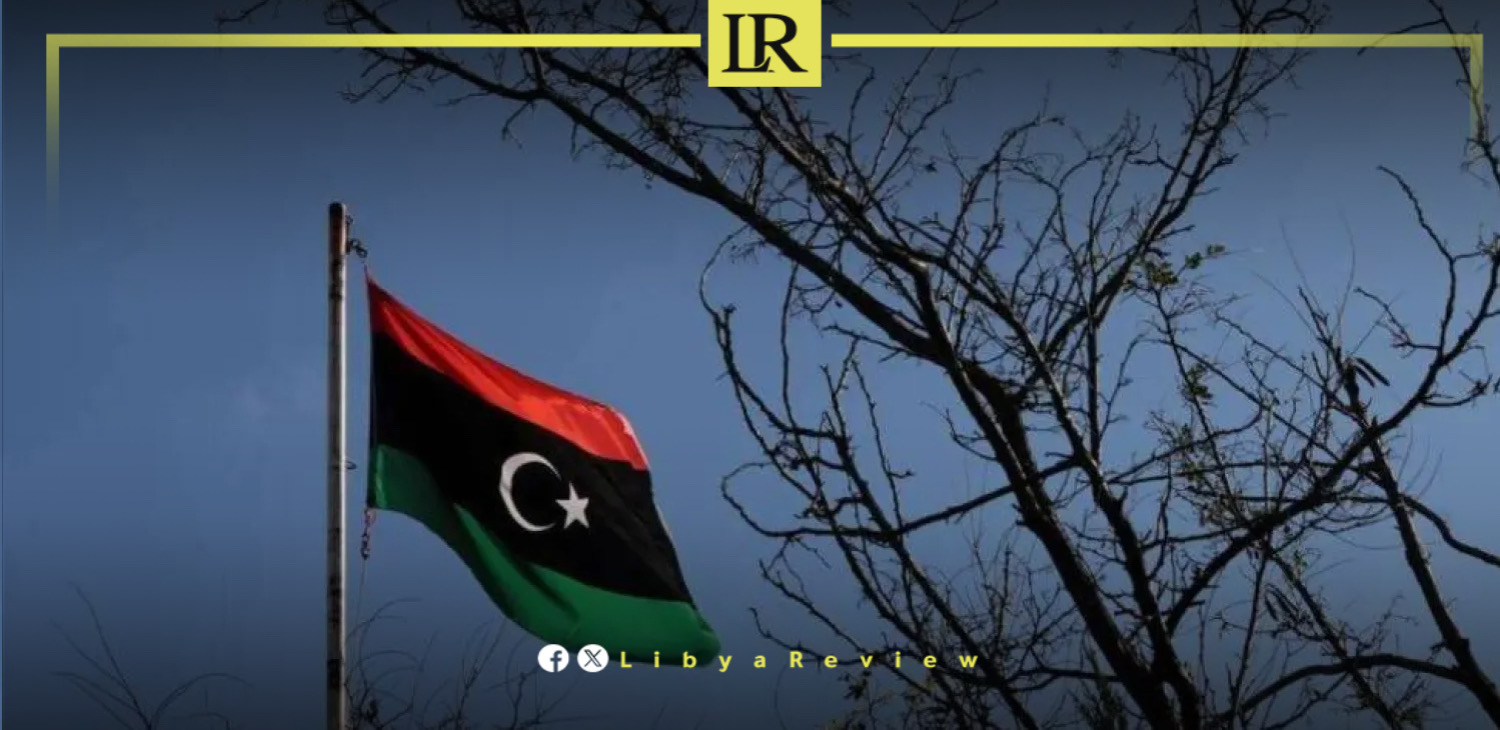
Libya is witnessing an increasingly active political and security landscape as international and regional powers intensify efforts to support the unification of state institutions and end years of political division.
The latest developments come amid growing momentum behind initiatives aimed at rebuilding governance structures, advancing economic coordination, and strengthening military cooperation across the country.
The current political movement is being supported by several international actors, including the United States and influential regional partners such as the United Arab Emirates, which has played a prominent role in Libya over recent years.
Observers note that regional competition for influence inside Libya is becoming more visible, raising concerns that rival agendas could affect the fragile balance within the country’s political and security environment.
Analysts believe that attempts to reshape regional influence in Libya could complicate ongoing efforts to stabilize the country.
In particular, some political assessments suggest that regional rivalries may increasingly impact the dynamics between key Libyan factions and institutions, especially at a time when the country is experiencing what many describe as one of the most serious phases of institutional rebuilding since the 2020 ceasefire agreement.
Since the announcement of the ceasefire in August 2020, the UAE has repeatedly expressed support for a political solution under United Nations supervision, while maintaining communication with multiple Libyan parties.
Abu Dhabi has also participated in several international initiatives focused on supporting stability, reconstruction, and the rebuilding of Libyan institutions.
Recent progress in Libya has included important economic understandings related to unified spending mechanisms and discussions surrounding a unified national budget.
These efforts are viewed as attempts to reduce financial and institutional fragmentation between eastern and western Libya.
At the same time, the security file has witnessed notable developments, including joint military training exercises involving forces from western Libya and the Libyan National Army. Observers view these activities as confidence-building measures that could contribute to the long-term goal of unifying military institutions.
However, concerns remain that growing regional competition could undermine these fragile gains.
Analysts warn that weakening regional actors that have supported stability efforts may risk reopening divisions or creating space for armed groups and extremist organizations to regain influence.
There are also fears that increasing geopolitical competition could slow ongoing negotiations related to a unified government and the next transitional phase. As international and regional efforts continue, many observers stress that preserving balanced engagement and avoiding regional confrontation inside Libya will remain essential for maintaining stability and advancing the political process.

