
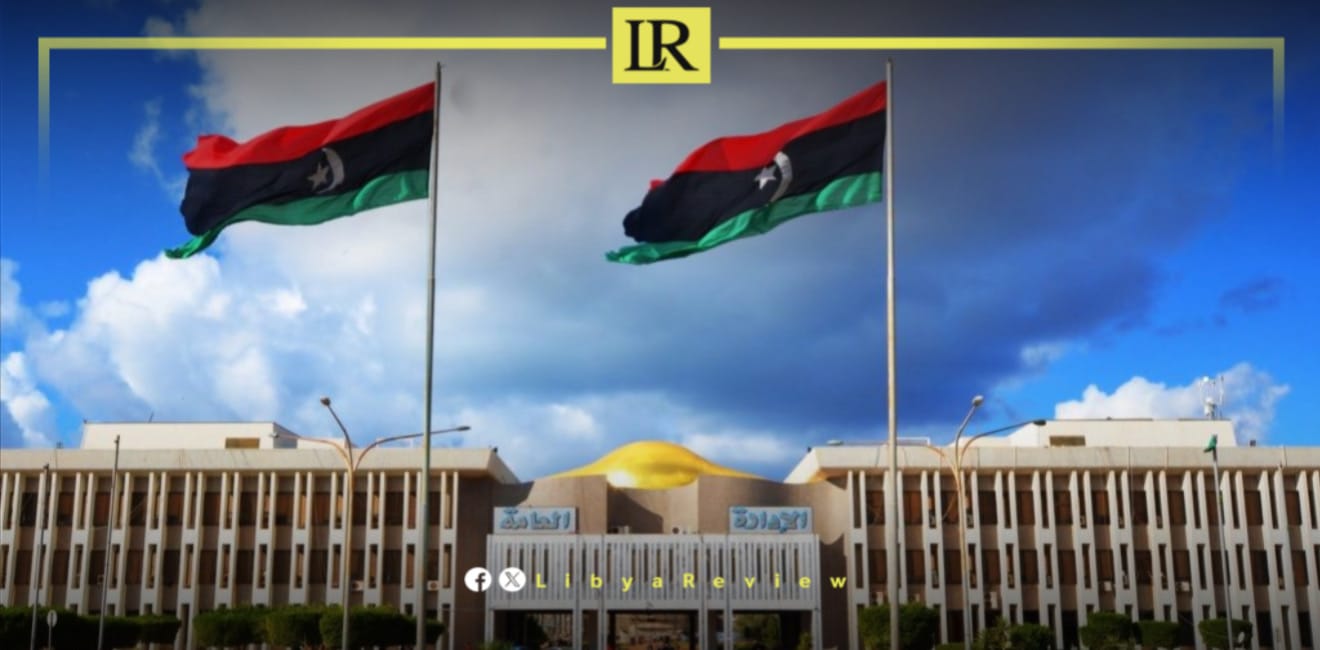
Nearly a decade after fierce fighting left much of Benghazi University in ruins, students at Libya’s largest and oldest university are looking to the future with renewed confidence.
Founded in 1955, Benghazi University currently serves around 69,000 students. Many still attend classes in ageing buildings while awaiting the opening of a new campus scheduled to welcome students at the start of the upcoming academic year.
The university was heavily damaged during clashes between the Libyan National Army, led by Field Marshal Khalifa Haftar, and armed groups that controlled parts of Benghazi between 2014 and 2016.
University president Ezzeddine Younes Al-Dersi told the Agence France-Presse (AFP) the institution suffered near-total destruction during the conflict. He recalled that valuable manuscripts dating back around 700 years were stolen before later being recovered.
Despite the violence, university administrators decided to keep teaching activities running. Lectures were temporarily held in 45 primary, preparatory and secondary schools across the city, allowing students to continue their education during the conflict.
“For Benghazi, the university is life,” Al-Dersi said, noting that almost every family in the city has a connection to the institution through students, academics or employees.
The reconstruction project, launched three years ago, is being overseen by the Libya Development and Reconstruction Fund, headed by Belgassem Haftar. The fund has become a key driver of infrastructure projects across eastern Libya.
The new university complex covers 600 hectares and includes a main administrative building, student accommodation, a modern conference centre and a large library replacing the facility destroyed during the war.
Students and graduates say conditions have improved dramatically. Many now see opportunities to travel, establish businesses and pursue professional careers.
French language lecturer Mariam Al-Rafadi said security and stability have transformed daily life, while English student Aisha Al-Maqsabi believes young Libyans can now focus on ambition rather than basic services.
Al-Dersi said restoring the university’s status would benefit Libya as a whole and could contribute to national reconciliation. Students from across the country continue to study in Benghazi, reflecting hopes that education can help bridge Libya’s long-standing political divisions.

