
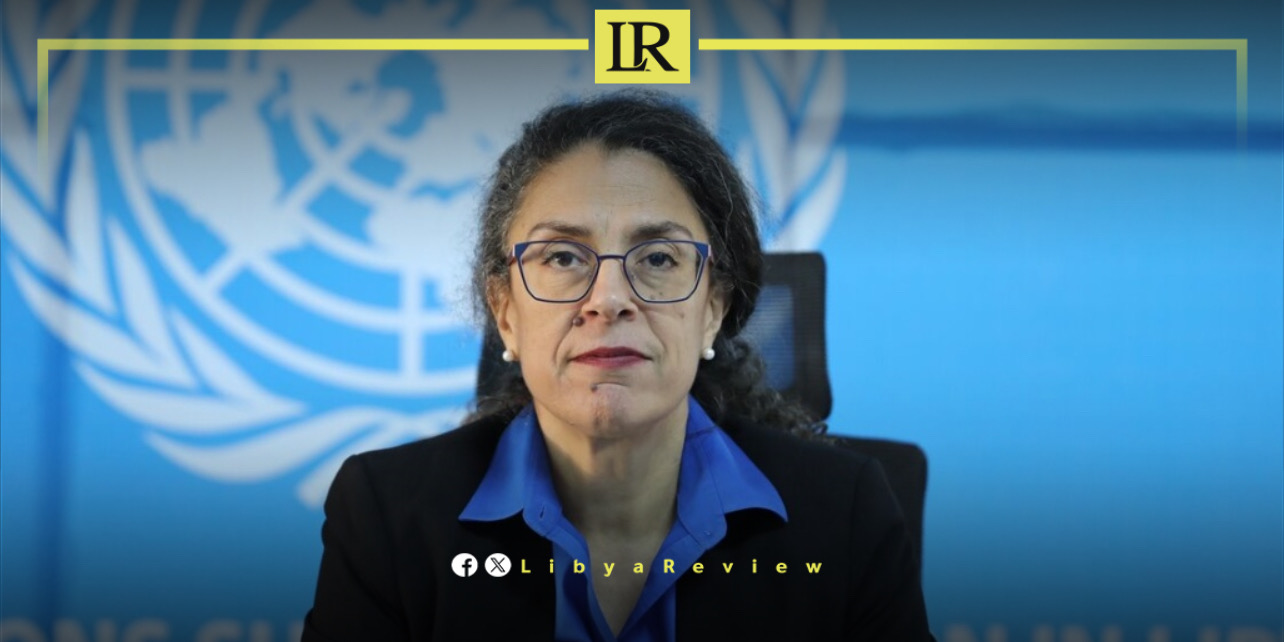
Stephanie Koury, Deputy Special Representative of the UN Secretary-General for Political Affairs in Libya, has emphasized that the future of Libya’s political and security process rests primarily in the hands of Libyans themselves, stressing that recent dialogue outcomes were entirely the product of Libyan discussions and decision-making.
Speaking to RT Arabic, Koury said the recommendations produced through the structured dialogue process emerged from extensive discussions among Libyan participants and were drafted exclusively by Libyans. She underscored that neither the United Nations Support Mission in Libya nor any international actors intervened in the formulation of the recommendations or imposed specific outcomes on the participants.
According to Koury, the role of the UN mission was limited to facilitating discussions, providing technical support, and creating an environment conducive to dialogue. The responsibility for shaping proposals, reaching understandings, and drafting recommendations remained entirely with the Libyan participants involved in the process.
She noted that Libyans now have a genuine opportunity to determine the political and security future of their country by building on the consensus and understandings achieved through the dialogue process. Koury described the current stage as an important moment for Libyan stakeholders to advance national solutions and move beyond prolonged divisions.
The senior UN official reiterated that sustainable solutions to Libya’s long-running crisis cannot be imposed from outside the country. Instead, she argued that lasting stability can only be achieved through agreements reached by Libyans themselves and through arrangements developed within a comprehensive national framework that preserves Libya’s unity and sovereignty.
Koury stressed that any future political roadmap should be rooted in broad national consensus and supported by inclusive participation from across the Libyan political spectrum. She also emphasized the importance of maintaining the momentum generated by the dialogue process and translating recommendations into practical steps capable of advancing political progress.
Her remarks come amid ongoing efforts by the United Nations to support a Libyan-led and Libyan-owned political process aimed at ending years of institutional division and political uncertainty.

