
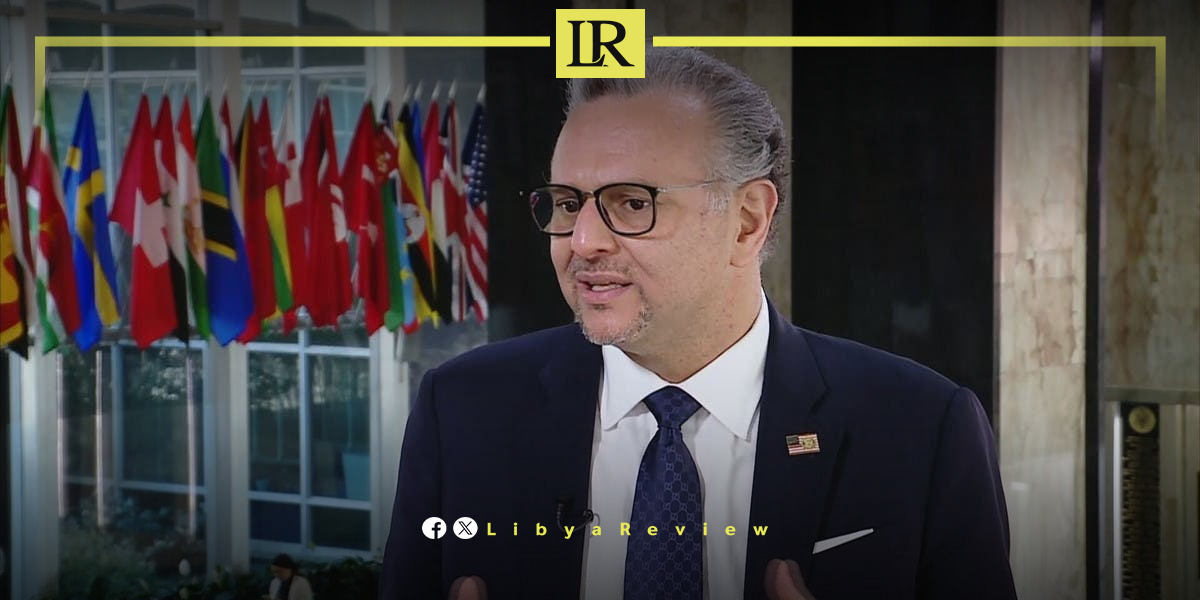
Massad Boulos, Senior Adviser to US President Donald Trump for Arab and Middle Eastern Affairs, has reaffirmed Washington’s commitment to supporting stability, political dialogue, and institutional unification in Libya, emphasizing continued cooperation with the United Nations and Libyan stakeholders to advance the country’s political process.
Speaking after a United Nations Security Council briefing on Libya, Boulos said the United States had renewed its strong support for Hanna Serwaa Tetteh, the Special Representative of the UN Secretary-General and Head of the United Nations Support Mission in Libya (UNSMIL).
He praised the mission’s efforts to facilitate a Libyan-led political process aimed at unifying state institutions and creating the conditions necessary for holding long-awaited national elections.
According to Boulos, recent developments have demonstrated the positive results that can be achieved when Libyan actors choose cooperation and dialogue. He pointed to the adoption of Libya’s first unified national budget in 13 years as an important step toward institutional coordination and improved governance.
The US official also highlighted Libya’s hosting of the Flintlock 26 military exercise in Sirte in cooperation with the United States Africa Command (AFRICOM), describing it as an example of growing security cooperation.
He further noted ongoing coordination on border security issues, which he said contributes to strengthening national stability and addressing shared security challenges.
Boulos stated that these developments reflect growing momentum toward building stronger military, economic, and political institutions capable of supporting a more unified and effective state.
He argued that sustainable stability depends on the ability of Libyan institutions to work together and deliver services that meet the needs of citizens across the country.
Reaffirming Washington’s position, Boulos said the United States will continue working closely with UNSMIL and all Libyan parties to support an inclusive political process that is owned and led by Libyans themselves.
He stressed that national reconciliation, institutional unity, and credible elections remain essential pillars for achieving lasting peace and stability.

