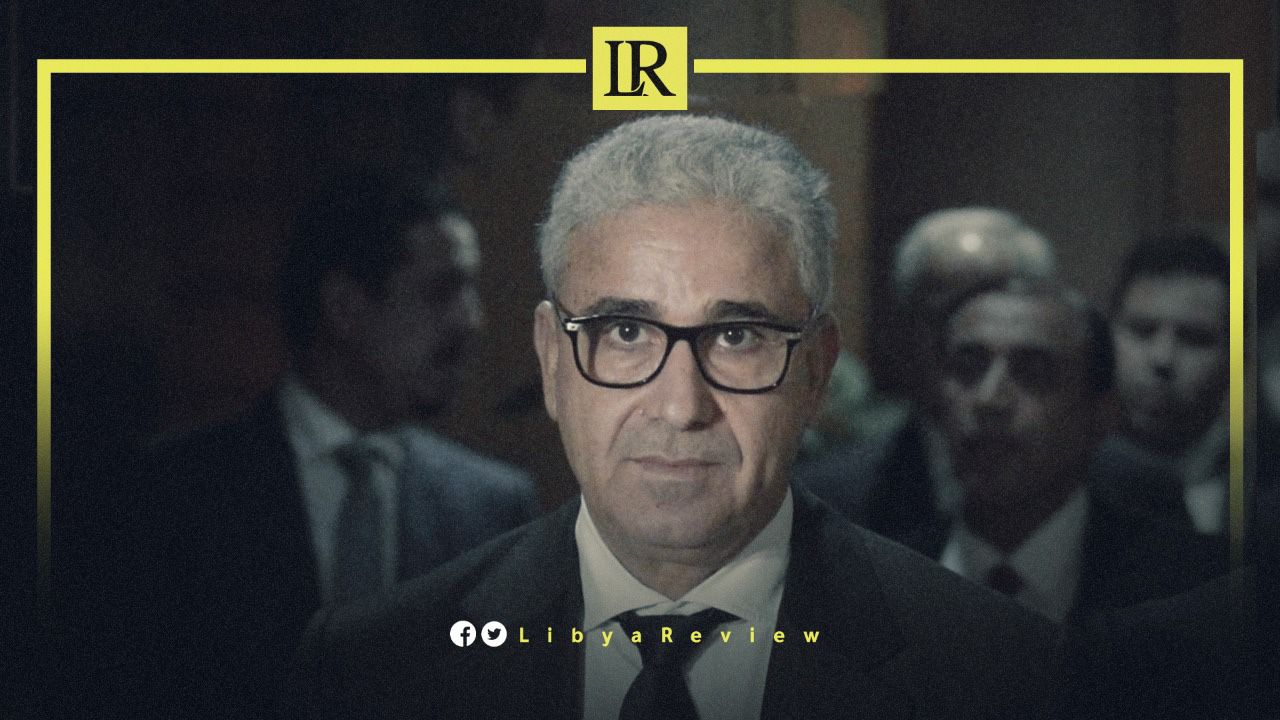
Fathi Bashagha, the former Prime Minister of Libya, has called on the House of Representatives to standardize and stabilize the exchange rate of the Libyan Dinar against foreign currencies, advocating for a consistent tax rate without exemptions for any parties.
In a statement on his Facebook page, Bashagha commended a proposal by Al-Siddiq Al-Kabir, Governor of the Central Bank of Libya, aimed at addressing economic and financial challenges, which was directed to the Speaker of the House of Representatives.
Highlighting the economic difficulties faced by the country, Bashagha attributed these to policies that have adversely impacted the general populace. He urged stakeholders to collaborate on effective solutions to the ongoing economic crisis and acknowledged the Central Bank Governor’s initiative to seek interventions for economic and financial stability.
Bashagha emphasized the negative consequences of multiple exchange rates on the economy, including the risk of corruption and unauthorized profits, due to the lack of robust oversight and accountability. He advocated for the House of Representatives’ Financial Committee to adopt a unified and fixed exchange rate tax, aiming to regulate supply and demand, enhance economic and financial conditions, support business and trade, and improve citizens’ living standards.
Previously, the Central Bank Governor had suggested legislation to increase charges on foreign currency transactions, arguing that the revenue from these operations could generate additional income for the state.
Since the fall of Muammar Gaddafi in 2011, following a NATO-supported uprising, Libya has experienced division and conflict, impacting its economy and oil-dependent revenue. The ongoing turmoil has not only affected oil production and global market prices but also resulted in a humanitarian crisis, including casualties, displacement, and severe conditions for migrants and refugees using Libya as a route to Europe.

