
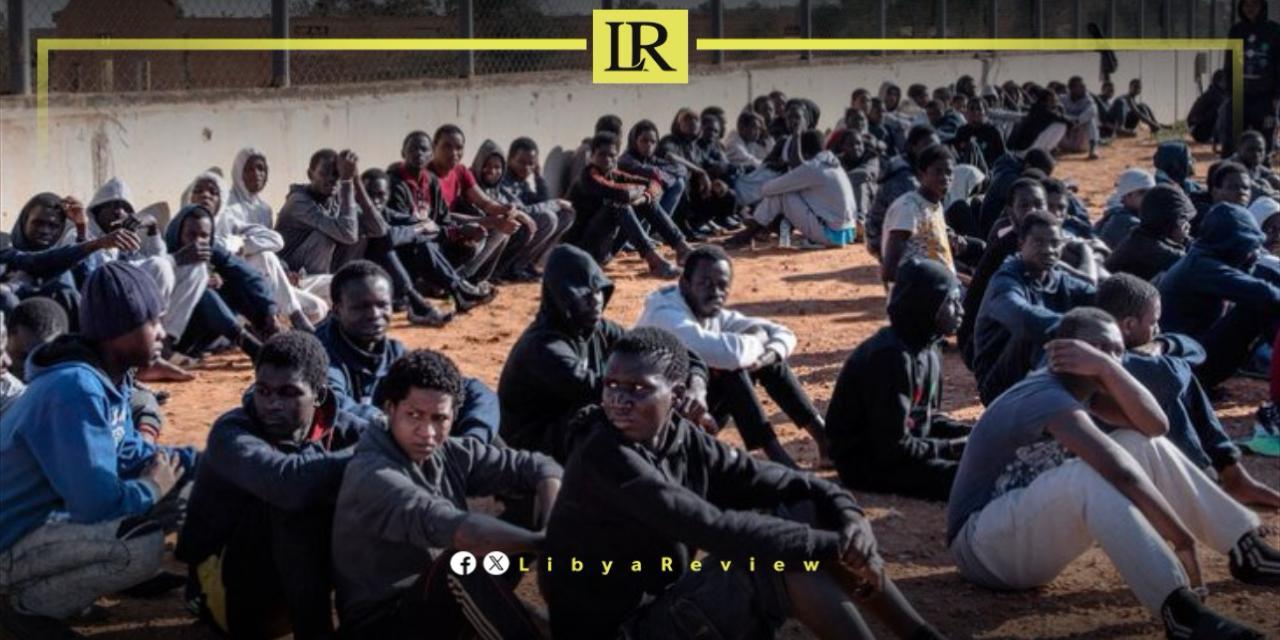
On Saturday, the international Organisation for Migration (IOM) reported a significant influx of Sudanese migrants in Libya, with the numbers reaching 125,363 individuals. This surge includes over six thousand migrants who have arrived in Libya since the outbreak of civil war in Sudan in April last year.
According to the latest IOM report, Sudanese migrants constitute 18% of the total migrant population in Libya, making them the third-largest national group among the migrants in the country. The majority of these migrants are males aged between 21 and 49 years.
The data provided by the IOM highlights that, as of March 4th, 33,481 Sudanese migrants were registered, with an additional 6,434 arriving in Libya following the escalation of the civil conflict in Sudan last April.
The demographic breakdown of the migrants reveals that young individuals aged between 21 and 29 years account for approximately 44% of the total migrant population, while those in the 30 to 49-year age bracket represent 47%.
This situation underscores the broader implications of the Sudanese civil unrest. This not only has a negative impact on the humanitarian front within Sudan but also on the migration patterns in the region, particularly in Libya. The growing number of Sudanese migrants highlights the urgent need for comprehensive international strategies to address the root causes of migration.
Libya has been in chaos since a NATO-backed uprising toppled longtime leader Moammar Gaddafi in 2011. The county has for years been split between rival administrations.
Libya’s economy, heavily reliant on oil, has suffered due to the ongoing conflict. The instability has led to fluctuations in oil production and prices, impacting the global oil market and Libya’s economy.
The conflict has led to a significant humanitarian crisis in Libya, with thousands of people killed, and many more displaced. Migrants and refugees using Libya as a transit point to Europe have also faced dire conditions.
The planned elections for December 2021 were delayed due to disagreements over election laws and the eligibility of certain candidates. This delay has raised concerns about the feasibility of a peaceful political transition.

