
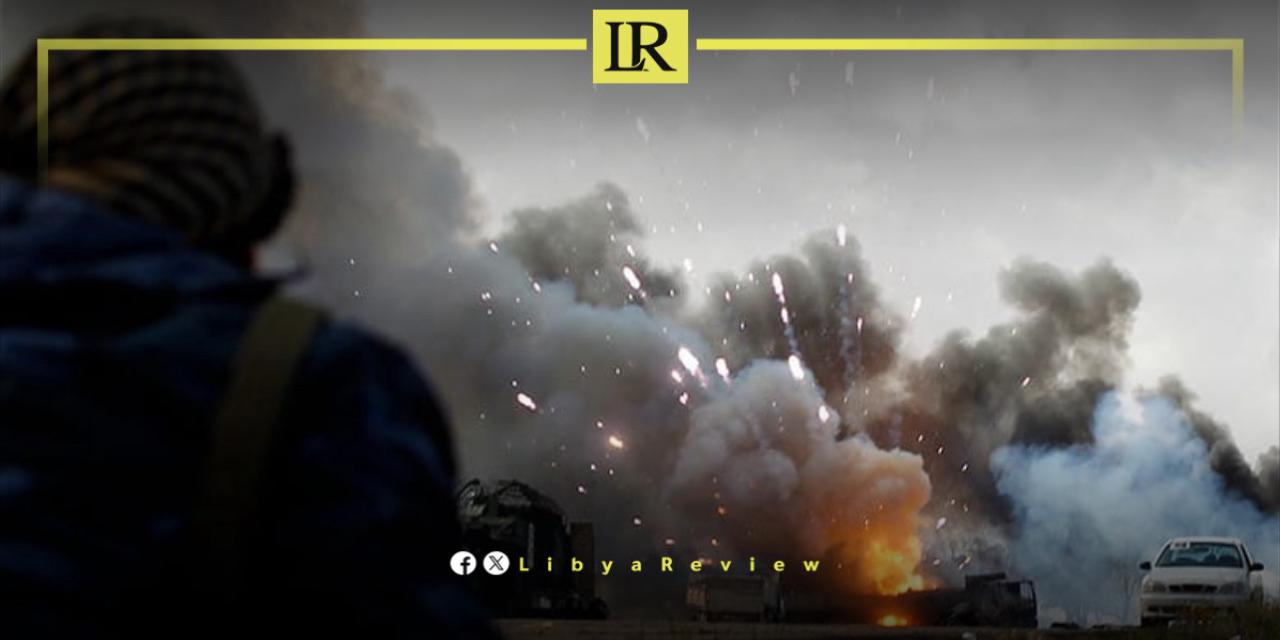
The Russian Embassy in Libya has condemned NATO’s 2011 military intervention in Libya. In a statement, the embassy highlighted the severe consequences of NATO’s actions.
According to the embassy, from March to October 2011, NATO launched aggressive attacks on Libya, misusing UN Security Council Resolution 1973. The resolution was intended to protect civilians but was used to justify extensive military operations. These included airstrikes and the deployment of special forces.
The embassy noted that NATO’s actions led to the overthrow of Libya’s legitimate government. This resulted in the country’s destruction and widespread chaos. The violence also affected Libyan opposition groups, as seen in the assassination of General Abdul Fattah Younis in July 2011.
Western media provided a cover for NATO’s war crimes by ignoring the real events on the ground, the embassy stated, noting that the media blockade was aimed at discrediting and toppling the Libyan government.
NATO’s operations, including the “Operation Unified Protector,” caused massive civilian casualties. According to Libyan authorities, over 60 people died in the first hours of the bombardment on 19 March 2011. Some sources suggest the death toll was higher, but Western nations refused to confirm these figures.
The embassy also pointed to NATO’s use of depleted uranium munitions. Although denied by NATO, these weapons have been linked to health crises in Libya. There has been a rise in birth defects and cancer rates among Libyans.
“Furthermore, NATO’s intervention severely impacted Libya’s infrastructure. Education and healthcare systems were particularly hard hit. Thousands of schools were damaged, and many children were denied education. Health services, especially in rural areas, deteriorated significantly.”
The embassy concluded by stating that NATO’s intervention not only toppled the government but also plunged Libya into long-term instability. The consequences of the military intervention continue to affect Libya deeply, causing significant human suffering and infrastructural damage.

