
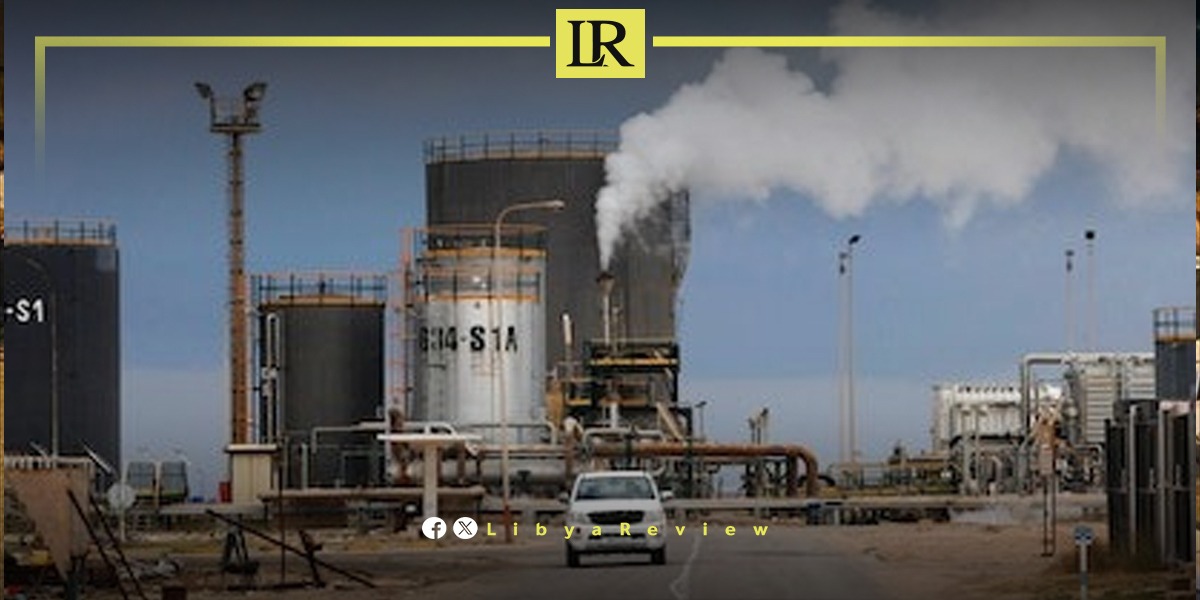
A recent report from the French newspaper Le Figaro warns of a looming large-scale conflict in Libya, with the country’s oil sector caught in the crossfire. Libya, a nation blessed with abundant oil reserves, finds its greatest asset increasingly becoming its greatest burden, as political and military tensions escalate.
The decline in oil production and the partial shutdown of key oil fields have intensified the daily struggles of ordinary Libyans. Many are facing difficulties accessing their savings and securing necessities, while the threat of renewed violence hangs over the nation. The scars of the 2019 clashes in Tripoli are still fresh, and the fear of another outbreak of war is palpable.
Stephanie Khouri, the Acting Head of the United Nations Support Mission in Libya (UNSMIL), recently addressed the United Nations Security Council, expressing deep concern over the deteriorating situation in Libya. “The situation in the country has significantly worsened over the past two months across all political, economic, and security levels,” she said, highlighting the rapid decline in stability.
The heart of Libya’s troubles lies in its oil sector, which has long been the lifeblood of the nation’s economy. Since the fall of Muammar Gaddafi in 2011, the oil industry has transitioned from being a symbol of national wealth to a focal point of political and military disputes. This shift threatens not only the country’s stability but also the aspirations of its people for a more prosperous future.
Libya holds Africa’s largest proven oil reserves, but its production has significantly declined since 2011. In 2023, Libya exported 432 million barrels of oil, averaging about 1.2 million barrels per day—a far cry from the peak of 3.4 million barrels per day achieved in the 1970s.
Le Figaro attributes this decline to Libya’s deep political divisions. The Government of National Unity (GNU) and the rival Parliament-designated government are locked in a bitter struggle for control, not only over political power but also over the country’s vital oil revenues, which constitute 97.1% of the national budget.
These tensions recently escalated with the partial shutdown of the Sharara oil field, Libya’s largest, leading to a significant drop in production.
In addition to these political battles, Libya’s oil sector has been plagued by strikes and attacks from armed groups, further disrupting production. The use of oil as a weapon in political conflicts is not new in Libya, but the current situation is particularly dangerous. The ongoing instability has left foreign companies operating in Libya increasingly uncertain, with some considering withdrawal due to growing security concerns.
Libya’s vast oil reserves, once viewed as a cornerstone of its economic future, are now at the heart of its political strife. As the nation’s leaders continue to battle for control, Libya’s future remains uncertain, with the livelihoods of millions of Libyans hanging in the balance.

