
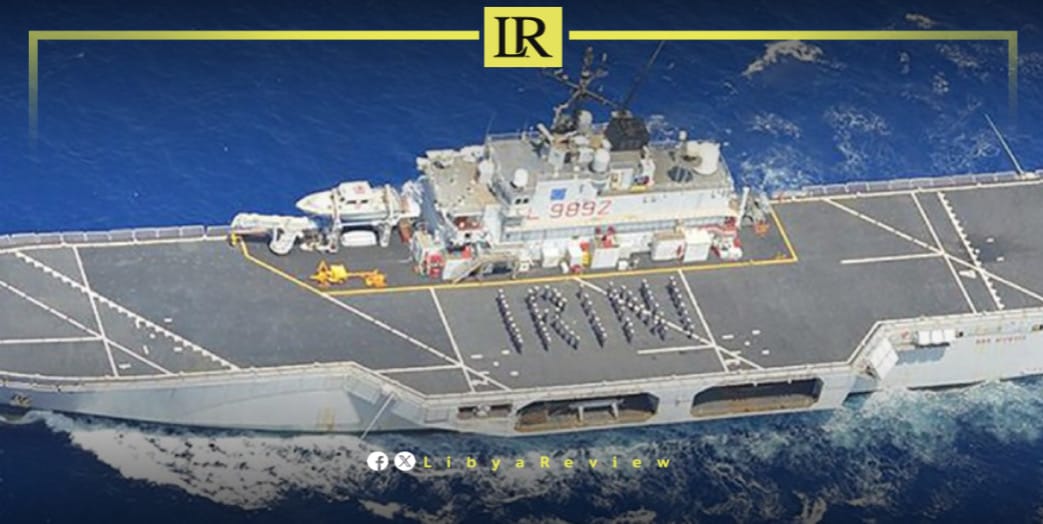
The European Council has officially extended the mandate of Operation IRINI until March 2027, underscoring Europe’s ongoing concerns over Libya’s fragile security environment. The decision reflects growing fears about the continued flow of weapons, oil smuggling, and human trafficking that threaten stability in the Mediterranean region.
The extension follows a strategic review conducted by the EU’s Political and Security Committee. New tasks have been added to IRINI’s mission, including expanded monitoring of illegal activities at sea. The operation will now focus on identifying and responding to threats targeting critical maritime infrastructure in the Mediterranean.
Launched in March 2020, Operation IRINI was initially designed to enforce the United Nations arms embargo on Libya, as mandated by UN Security Council resolutions. Over time, however, its scope has broadened. IRINI now plays a role in monitoring illicit oil exports, providing training to Libya’s coast guard, and collecting intelligence on human trafficking networks.
Despite being promoted by the European Union as a key tool for fostering regional stability, Operation IRINI’s effectiveness remains controversial. Critics argue that it has failed to halt the flow of arms into Libya, with many weapons continuing to reach rival factions via unofficial channels. Some observers claim that certain global powers, while publicly endorsing the mission, continue to supply arms to their Libyan allies.
Domestically, several Libyan factions question the operation’s impact. They argue that IRINI has made little progress in preventing arms smuggling and view the initiative as a diplomatic façade. Critics believe it allows major powers to appear committed to Libya’s stability while covertly advancing their interests within the country’s ongoing conflict.

