
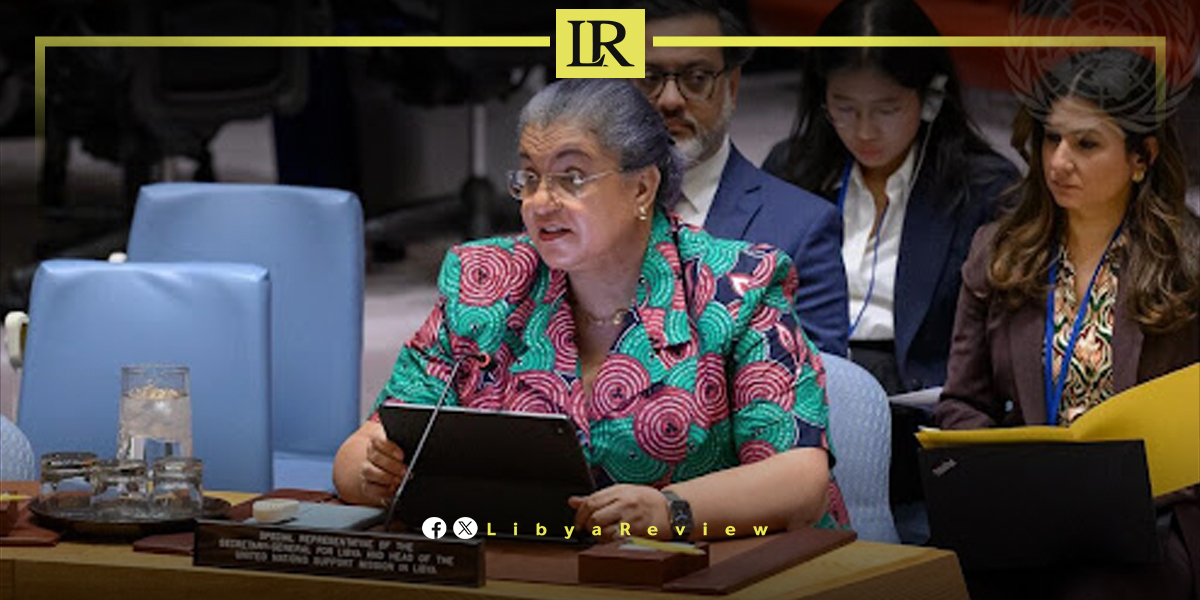
The head of the United Nations Support Mission in Libya, Hanna Tetteh, has warned that Libya’s economic situation is deteriorating amid uncontrolled public spending, rising poverty, and continued currency decline, all of which are fueling public frustration and instability.
Speaking during a briefing to the UN Security Council, Tetteh said the lack of fiscal discipline and transparency has contributed to worsening economic conditions across the country. She noted that the depreciation of the Libyan dinar has further intensified economic pressures on citizens, increasing living costs and amplifying social discontent.
Tetteh stressed that weak oversight of public spending and the absence of unified financial governance have eroded the state’s ability to manage resources effectively. She highlighted the growing challenges facing Libya’s institutions, warning that fragmentation continues to undermine governance and economic stability.
The UN envoy called for the implementation of recommendations emerging from the structured political dialogue and the UN Panel of Experts, particularly those related to monitoring oil revenue flows and ensuring fair distribution. She emphasized that transparent and accountable management of Libya’s oil wealth is essential to restoring trust and supporting long-term stability.
Tetteh welcomed the recent agreement on a unified budget between the House of Representatives and the High Council of State, describing it as a positive step toward improving coordination between key institutions. However, she cautioned that such agreements must be followed by concrete actions to strengthen governance and restore confidence in state structures.
She also underlined the importance of improving oversight of allocations to the National Oil Corporation, calling for greater transparency and efficiency in managing oil revenues, which remain the backbone of Libya’s economy.
According to Tetteh, the UN mission continues to engage with Libyan political actors to identify a path out of the current political deadlock, based on recommendations put forward by the advisory committee.

