
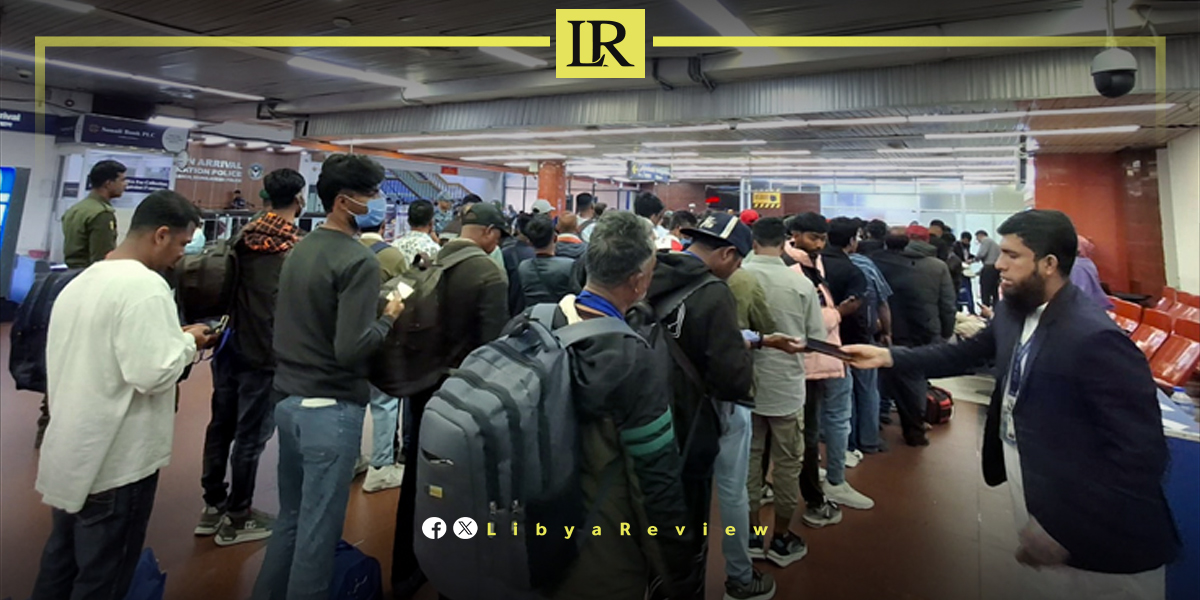
A total of 174 Bangladeshi nationals have been repatriated from Libya as part of a coordinated effort involving Bangladeshi authorities, Libyan institutions, and the International Organization for Migration.
The returnees arrived in Dhaka early in the morning on a Buraq Air flight after opting for voluntary return. The operation was organized through cooperation between the Bangladesh Embassy in Libya, the Ministry of Foreign Affairs, and the Ministry of Expatriates’ Welfare and Overseas Employment, with logistical and humanitarian support provided by the IOM.
Officials stated that most of the migrants had entered Libya through irregular routes after being deceived by human trafficking networks promising passage to Europe. Instead, many found themselves trapped in difficult conditions, with reports indicating that several individuals were subjected to kidnapping, abuse, and exploitation during their stay.
Upon arrival, the returnees were received by government representatives and IOM officials, who provided immediate assistance. This included financial support for travel, food supplies, basic medical care, and temporary accommodation where necessary. Authorities emphasized that these measures are part of broader efforts to support reintegration and ensure the well-being of those returning home.
The Bangladeshi government has encouraged returnees to share their experiences publicly to raise awareness about the risks of irregular migration and the dangers posed by trafficking networks. Officials believe that firsthand accounts can help deter others from undertaking similar journeys.
This repatriation is part of an ongoing initiative to facilitate the safe return of Bangladeshi nationals stranded in Libya. Authorities, in cooperation with international partners, continue to work on securing the release and return of additional migrants held in detention centers.
Libya remains a key transit point for migrants attempting to reach Europe, despite the significant risks associated with such journeys. International organizations have repeatedly highlighted the need for stronger measures to combat human trafficking and protect vulnerable migrants.

