
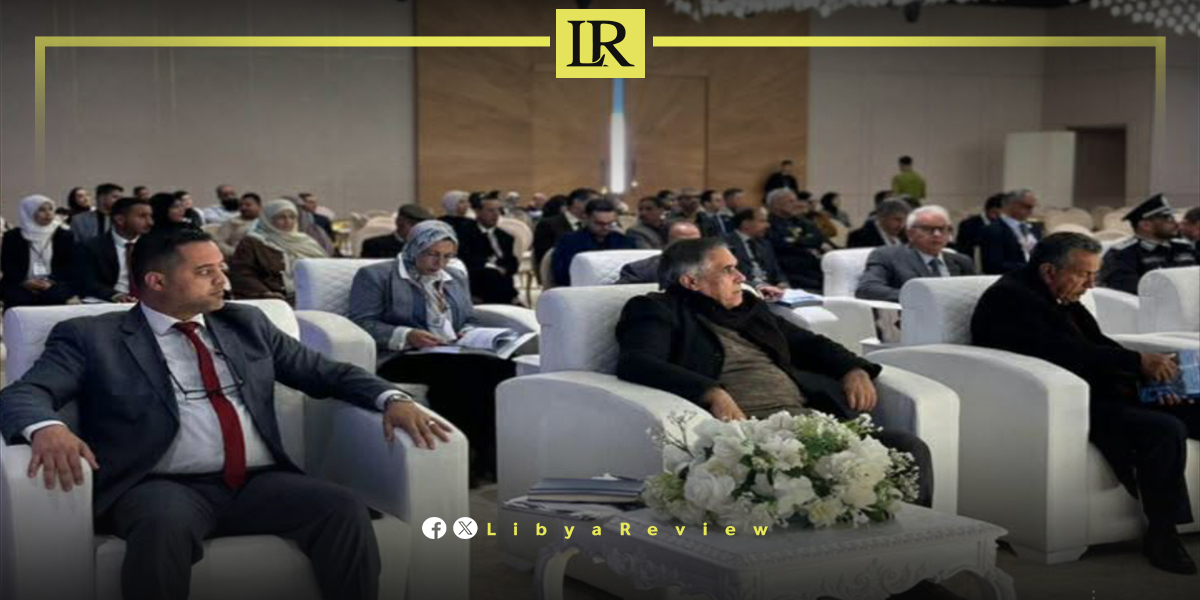
A major conference on higher education reform has opened in Benghazi, bringing together academics, researchers and specialists to examine how Libya’s universities can improve quality standards, accelerate digital transformation and better align graduates with labour market needs.
The event, titled “University Education: Towards National Advancement and Global Standards,” is organised by the Centre for Law and Society Studies, under the patronage of the Ministry of Higher Education, the University of Benghazi, and the General Command. The conference is scheduled to conclude the same day.
Discussions focused on the current state of university education in Libya, with particular attention to improving academic quality, strengthening links between education outcomes and employment opportunities, and expanding innovation across academic institutions. Participants also explored how digital transformation can be embedded more effectively in teaching, administration and research.
The opening scientific session featured nine research papers addressing academic quality and digital transformation. Parallel discussions held in a cultural forum provided an open platform to debate practical mechanisms for developing universities, ensuring institutional independence and improving both academic and administrative efficiency.
Mohamed Nouh Issa, Deputy Director-General of the Centre for Law and Society Studies, said the conference offers a platform to address key challenges facing higher education and to propose practical solutions aimed at improving academic performance. He stressed the importance of preparing graduates with the skills required by an evolving job market.
The conference concluded with a set of recommendations aimed at modernising Libya’s higher education system. These included adopting international quality standards, accelerating digital transformation, and strengthening the link between university outputs and labour market demands. Participants also called for stronger support for innovation and applied scientific research.
Further recommendations highlighted the need to expand cooperation between universities and research institutions, enhance the capacity of academic staff, and modernise curricula to include entrepreneurship and advanced technology skills. The conference also urged the development of national strategies to monitor academic performance, safeguard university independence and improve institutional governance.
The event forms part of broader efforts to stimulate academic dialogue and reform Libya’s higher education sector, with the goal of producing skilled graduates capable of contributing to national development and economic growth.

