
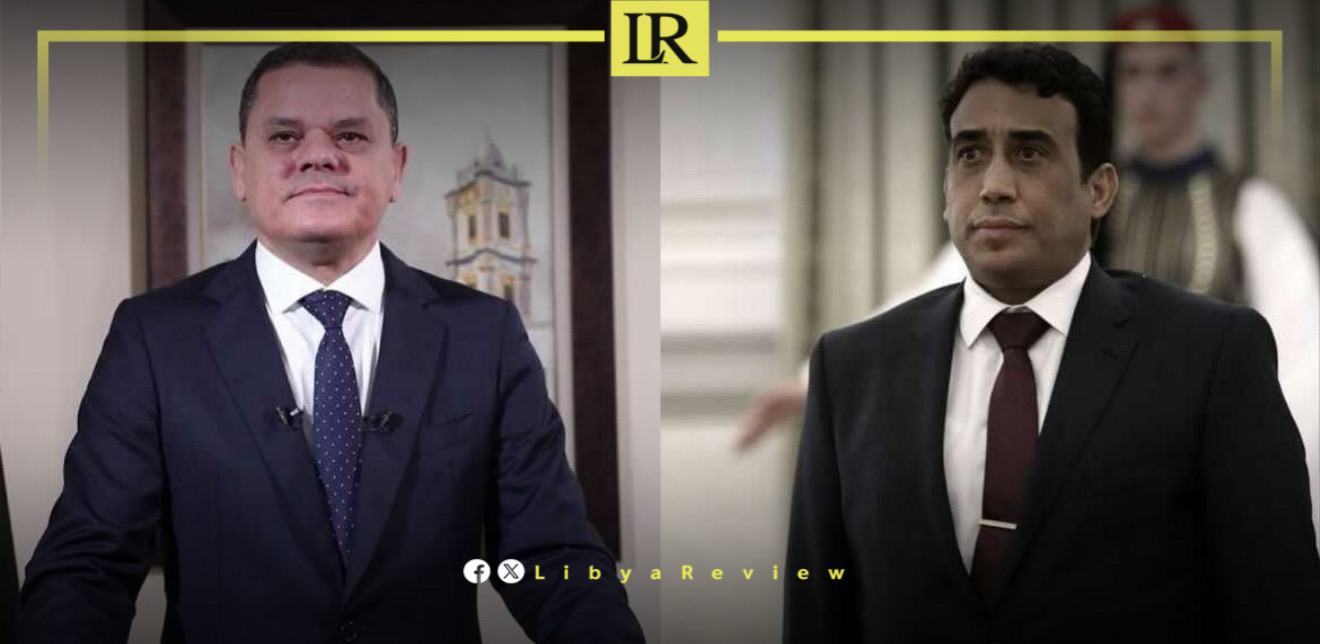
Head of the Libyan Presidential Council, Mohamed Al-Mnifi, has openly rejected recent cabinet changes introduced by Prime Minister Abdel-Hamid Dbaiba, describing them as falling outside established constitutional and legal frameworks.
In a statement, Al-Mnifi expressed support for concerns raised during a United Nations Security Council session, as well as remarks by UN envoy Hanna Tetteh, who highlighted issues surrounding government appointments made without proper legal grounding. He warned that such steps could set a troubling precedent and expose the government to legal challenges.
Al-Mnifi stressed that any decisions issued by newly appointed ministers would have no legal effect unless those officials complete the required oath before the appropriate authority. He argued that bypassing formal procedures undermines institutional credibility and weakens governance structures.
The disagreement follows a letter Al-Mnifi sent earlier to Dbaiba, emphasizing that the current administration functions as a caretaker government. He stated that any cabinet reshuffle must be based on national consensus and adhere strictly to legal procedures, particularly concerning sovereign ministries such as defense and foreign affairs.
Despite his objections, Al-Mnifi later endorsed a revised version of the reshuffle after key sovereign portfolios were excluded, during a meeting that included Mohamed Takala. The updated changes focused primarily on service and administrative ministries.
The reshuffle included appointments across sectors such as health, economy, higher education, housing, and water resources, along with the introduction of new roles. According to the UN envoy, approximately 21 ministerial and deputy positions were filled within two weeks, expanding the cabinet to 32 members.
Tetteh emphasized the importance of ensuring that such appointments align with legal frameworks and existing political agreements. She also called for resolving disputes between Libyan actors, unifying institutions, and advancing reforms to move the political process forward.

