
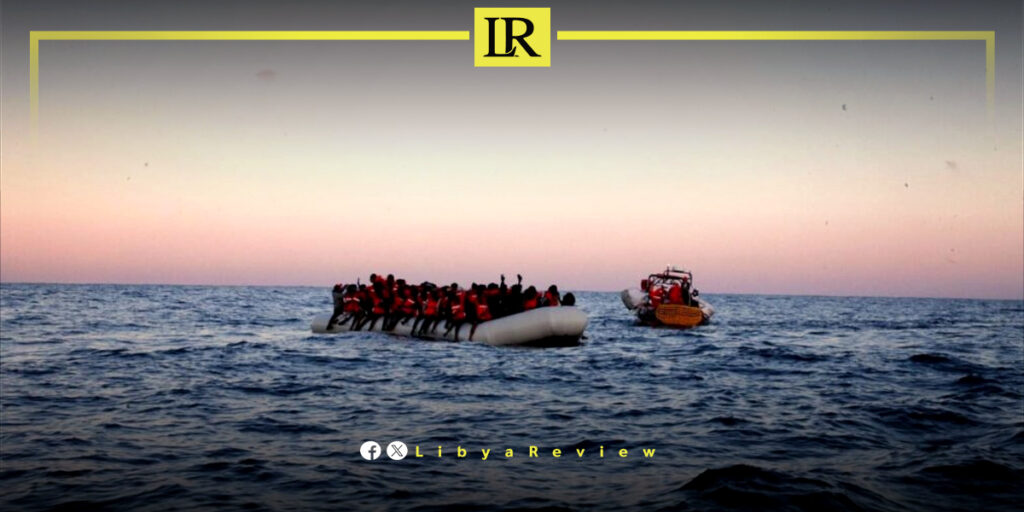
Libyan authorities have confirmed the death of 38 irregular migrants after a fragile boat sank off the coast of Tobruk in eastern Libya, in a new tragedy highlighting the dangers of Mediterranean migration routes.
According to a statement from the Office of the Attorney General, the victims were nationals of Egypt, Sudan, and Ethiopia. Their bodies were recovered after the vessel, which departed from the Tobruk coastline, failed to complete its journey north across the Mediterranean Sea.
Investigators said the boat was unseaworthy and not equipped for the voyage, leading to its sinking and the deaths of all those on board. “The vessel was not fit for navigation, which directly caused the disaster,” a judicial source said.
Authorities revealed that a criminal network involved in human trafficking organised the journey, charging migrants significant sums despite being fully aware of the risks. The group is believed to have used unsafe boats and basic equipment as part of its operations.
The case has shed light on the methods used by smuggling networks, which continue to exploit migrants seeking to reach Europe. Many migrants are exposed to extreme danger during such crossings, often travelling in overcrowded and poorly maintained vessels.
In a significant development, the Attorney General’s office said investigations led by Tobruk prosecutors identified individuals responsible for coordinating the operation. Around 300,000 Libyan dinars were seized, believed to be proceeds from the smuggling activity.
Arrest warrants have been issued against members of the network, while efforts continue to identify all victims and trace financial flows linked to the crime.
Libya remains a major transit point for migrants from sub-Saharan Africa and neighbouring countries. The latest incident underscores the persistent risks faced by those attempting the sea crossing and the ongoing challenge of dismantling trafficking networks.
Despite repeated warnings, migrant departures continue amid limited economic opportunities and ongoing instability in Libya and the wider region.

