
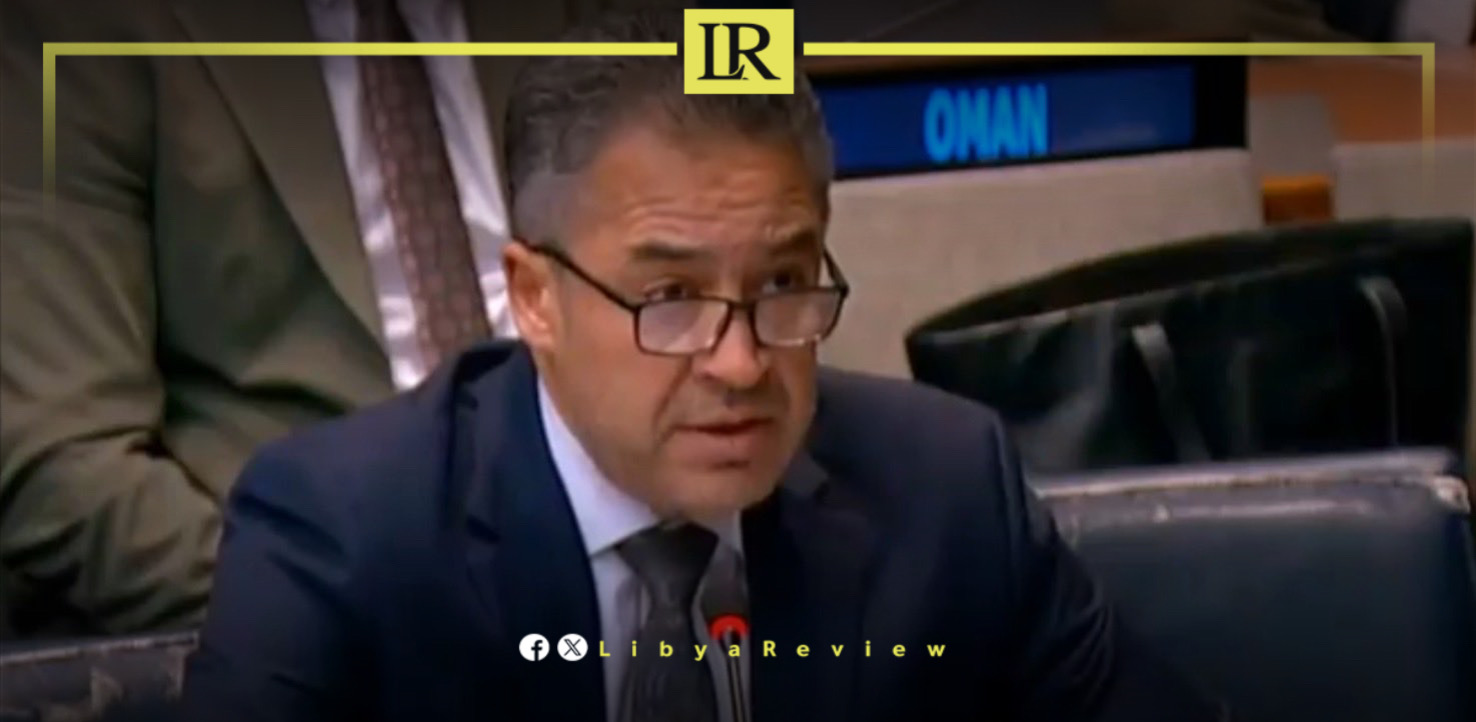
Libya has called for sweeping reforms to the global financial system, urging international institutions to enhance development financing and address structural inequalities affecting developing nations.
The appeal came during Libya’s participation in international discussions on economic cooperation, where officials stressed the urgent need for fairer financial governance and improved access to funding for sustainable development.
Call for Fairer Global Financial Architecture
Libya emphasised that the current international financial system no longer meets the needs of developing countries, particularly in the face of rising debt burdens and limited access to affordable financing.
Officials highlighted the importance of restructuring global financial mechanisms to ensure equitable participation and to better support economic recovery efforts across emerging economies. The country also called for stronger coordination among international financial institutions to close widening development gaps.
Boosting Development Financing
A key focus of Libya’s position was the need to expand financing for development projects, particularly in critical sectors such as infrastructure, education, and healthcare.
Libya stressed that increasing long-term funding opportunities would help countries achieve sustainable growth while addressing pressing economic and social challenges. The country also underlined the importance of creating flexible financing tools tailored to the needs of developing economies.
Addressing Debt and Economic Pressures
Libyan representatives pointed to the growing global debt crisis as a major obstacle to development, calling for more effective international solutions to ease debt burdens.
They argued that reforming debt management frameworks and improving access to concessional financing would enable countries to invest more in development priorities rather than servicing debt.
This aligns with previous Libyan calls at international forums for reforms to global economic governance and better mechanisms to address debt challenges and support long-term development financing.
Strengthening International Cooperation
Libya also urged the international community to enhance cooperation in order to achieve inclusive and sustainable development goals.
Officials stressed that global challenges—including economic instability, migration pressures, and climate-related risks—require coordinated international responses supported by fair financial systems.
Background: Libya’s Push for Economic Reform
Libya has repeatedly called for reforming global financial structures, arguing that current systems place developing countries at a disadvantage.
In earlier statements at the United Nations, Libyan representatives highlighted the need for improved financing mechanisms, debt relief, and stronger international collaboration to support economic recovery and stability.
Domestically, Libya continues to pursue financial reforms aimed at improving transparency, strengthening governance, and supporting sustainable economic growth, as part of broader efforts to stabilise its economy and rebuild key sectors.

