
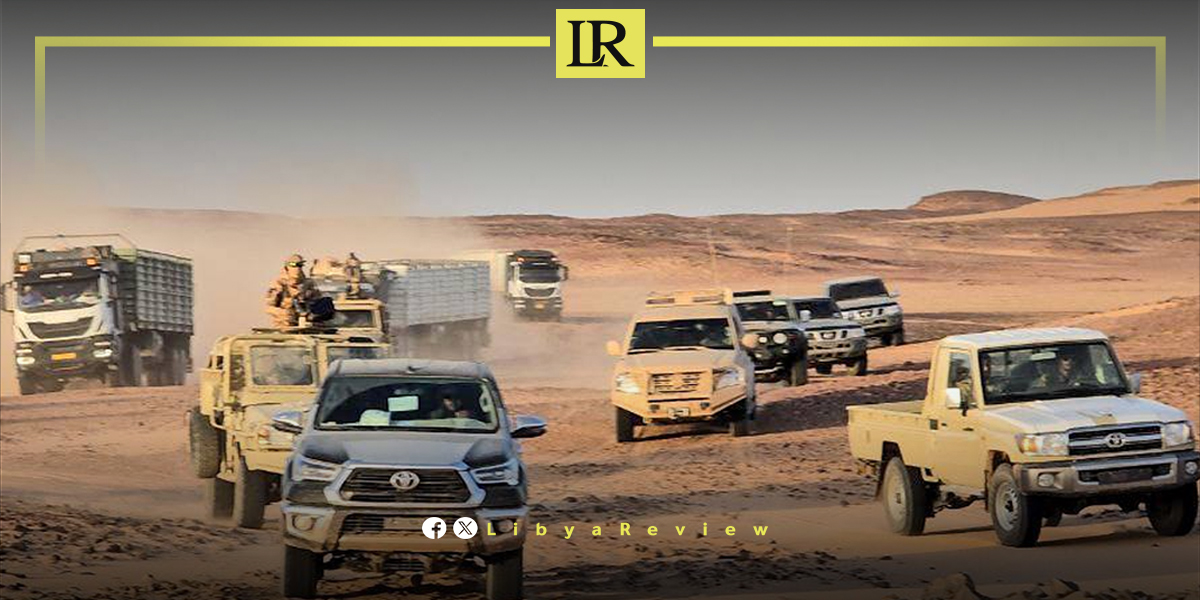
A report published by French outlet Afrique XXI highlighted major security, political, and economic transformations reshaping the border triangle linking Libya, Chad, and Niger, as armed groups, smuggling networks, and shifting regional alliances continue to redefine power dynamics across the Sahara.
For decades, the remote border region functioned as an informal commercial corridor connecting communities across the three countries. Goods, fuel, migrants, and traders moved through vast desert routes with limited state oversight. However, the conflict in Libya, political instability in the Sahel, and the military takeover in Niger have significantly altered the balance of power and disrupted long-established trade networks.
According to the report, forces affiliated with Khalifa Haftar have expanded their influence across southern Libya, replacing checkpoints previously controlled by armed factions and rebel groups with military-controlled positions. Former fighters and local traders told the publication that eastern Libyan authorities now exercise greater control over strategic desert routes connecting Libya to Chad and Niger.
The report stated that rebel groups from Chad and Niger once operated freely across parts of southern Libya, collecting fees from trucks transporting fuel and goods through the desert. Those networks reportedly financed armed activities and controlled key crossing points used for smuggling operations.
However, the security landscape has changed significantly in recent months. New military checkpoints and tighter border controls introduced by eastern Libyan forces have reduced the influence of non-state armed groups in several areas. Traders operating between Sebha, Al-Qatrun, and the Chadian border reported increased inspections and higher transportation costs due to expanded security measures.
The report also noted that restrictions on informal fuel exports from Libya toward neighboring countries have contributed to rising fuel prices in northern Chad and parts of Niger, affecting local trade and transportation activities.
In parallel, eastern Libyan authorities and the Chadian army have reportedly established a joint border force aimed at strengthening border security, reducing smuggling, and limiting kidnapping operations across remote desert areas. Chadian military officials said trenches had been dug along parts of the border and additional forces deployed in sensitive regions.
Despite stronger controls on the Libyan and Chadian sides, the report warned that instability continues to grow in northern Niger, where armed groups and criminal networks remain active along desert trade routes.

