
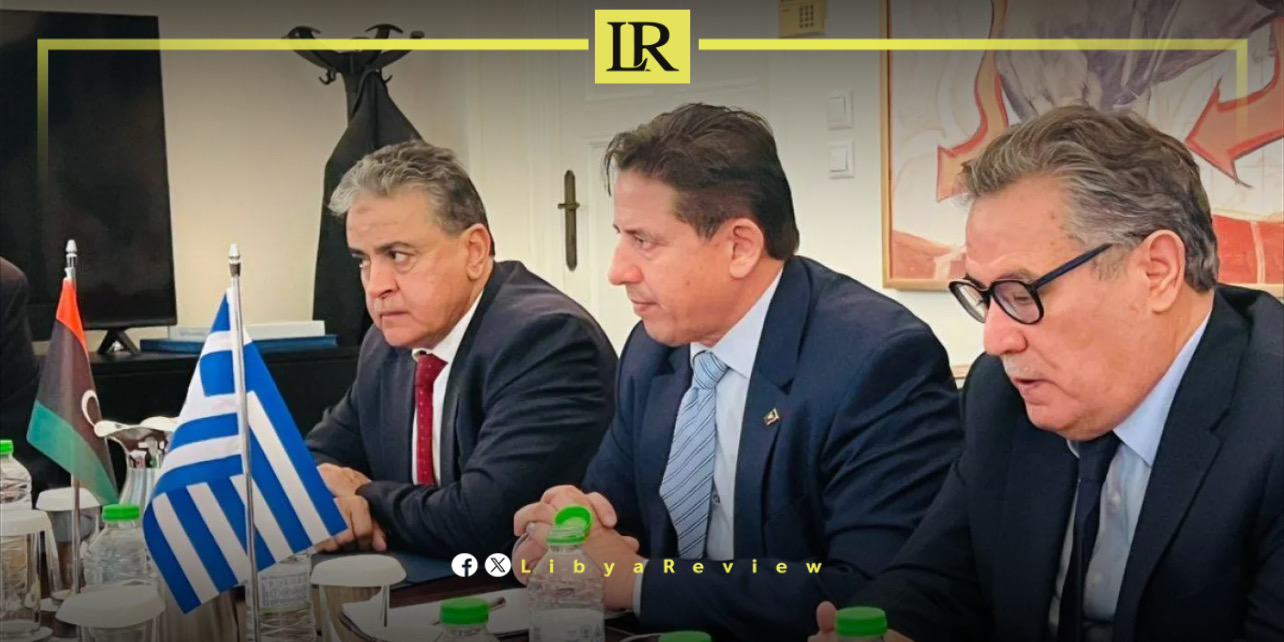
A Libyan parliamentary committee has intensified calls for Belgium to return $100 million in frozen Libyan assets, raising concerns over what it describes as the systematic erosion of Libya’s sovereign wealth held abroad since 2011.
The issue dates back to October 2011, when the United Nations Security Council granted Brussels exceptional authorization to release $100 million from frozen Libyan funds, on the condition that the money be used exclusively for urgent humanitarian aid to the Libyan people. Nearly 15 years later, the committee says there is no evidence that the funds reached their intended beneficiaries.
Missing Funds and Growing Claims
According to the parliamentary committee tasked with tracking Libya’s frozen assets, Belgian authorities have not provided proof that the funds were transferred to any officially authorized Libyan entity. Committee member Murad Hamima described the situation as a “clear breach of trust and violation of the conditions under which the funds were released.”
The committee argues that the original $100 million is only part of the issue. Accumulated interest and returns over more than a decade could significantly increase the total value of Libya’s claim. Officials say they are pursuing the matter through diplomatic and legal channels, though progress has been slow.
Broader Concerns Over Frozen Assets
The dispute highlights wider concerns about Libya’s frozen assets across Europe. A parliamentary committee established in 2018 resumed its work last year after disruptions caused by political divisions and insecurity. Since then, it has conducted visits to several European capitals and reported what it calls a “systematic depletion” of Libyan funds.
Investigations revealed that some European banks imposed high administrative fees on frozen accounts and subjected them to negative interest rate policies during years of economic crisis, reducing their real value. In some cases, profits generated from these assets were reportedly diverted away from Libyan accounts.
Political Division Hampers Action
Efforts to recover the funds have been complicated by Libya’s ongoing political fragmentation. The outgoing Government of National Unity, led by Abdel-Hamid Dbaiba, and the Presidential Council headed by Mohamed Al-Mnifi, have faced criticism for failing to take decisive legal or diplomatic action.
Observers say the lack of a unified national strategy has weakened Libya’s position in negotiations with foreign governments and financial institutions. Rival authorities in the country have also struggled to coordinate efforts or present a single body recognized internationally to handle such claims.
UN Audit Plan Offers New Opportunity
In April 2026, the United Nations Security Council adopted Resolution 2819, which mandates the appointment of an independent international auditing firm to conduct a comprehensive review of all frozen Libyan assets since 2011.
The audit will examine fees, interest, and returns associated with the assets, as well as any potential misuse, including unauthorized investments or financial guarantees. All countries and institutions holding Libyan funds are required to cooperate and provide full documentation.
Analysts view the move as a significant shift toward greater accountability, potentially opening the door for legal claims and compensation demands against entities found to have mismanaged Libyan assets.
Calls for Full Recovery of Funds
The parliamentary committee insists that Libya will not abandon its claim to recover the full $100 million, along with all accrued interest and profits. However, experts warn that continued political division could undermine these efforts and allow foreign institutions to benefit from Libyan funds for years to come.
With billions of dollars in frozen assets still scattered across international financial systems, the case underscores the urgent need for a unified Libyan authority capable of protecting national wealth and pursuing recovery through coordinated legal and diplomatic action.

