
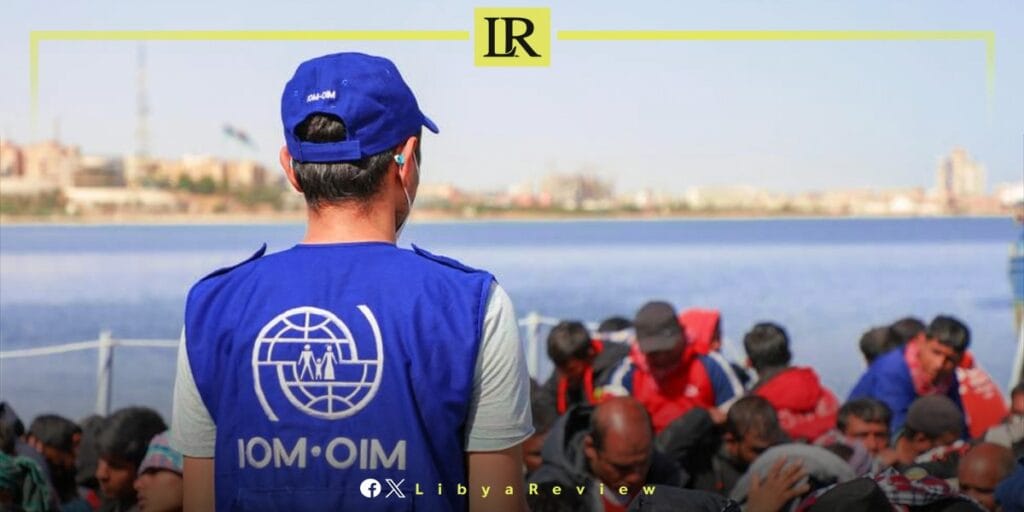
The International Organization for Migration (IOM) has identified 943,748 migrants across Libya during the March-April 2026 reporting period, highlighting the country’s continued role as a major destination and transit point for migrants despite ongoing political and economic challenges.
According to the latest Displacement Tracking Matrix (DTM) Round 62, migrants were recorded in 100 municipalities and 641 communities across the country.
The report showed that western Libya remained the main destination, hosting 53% of the total migrant population. Eastern Libya accounted for 36%, while southern Libya hosted the remaining 11%.
Major urban centres, including Tripoli, Benghazi, and Misrata, continued to attract the largest numbers of migrants due to greater employment opportunities, better infrastructure, and improved access to essential public services compared with other parts of the country.
The IOM said economic hardship remained the leading factor behind migration to Libya. Around 79% of surveyed migrants cited the search for employment and better economic prospects as their primary reason for travelling to the country.
Meanwhile, 19% of migrants said they had fled conflict and insecurity in their countries of origin. The organisation noted that this factor was particularly significant among migrants from Sudan and several North African countries.
The report also highlighted continuing humanitarian challenges affecting migrant communities throughout Libya. The most urgently needed non-food items included blankets, identified by 69% of respondents, followed by mattresses at 65%, clothing at 55%, and hygiene products at 22%.
The findings underline the growing demand for humanitarian assistance and protection services as Libya continues to host one of the largest migrant populations in North Africa.
The IOM’s latest assessment provides an updated picture of migration trends across the country and is expected to assist humanitarian agencies and Libyan authorities in planning assistance programmes and addressing the evolving needs of migrants living in different regions of Libya.

