
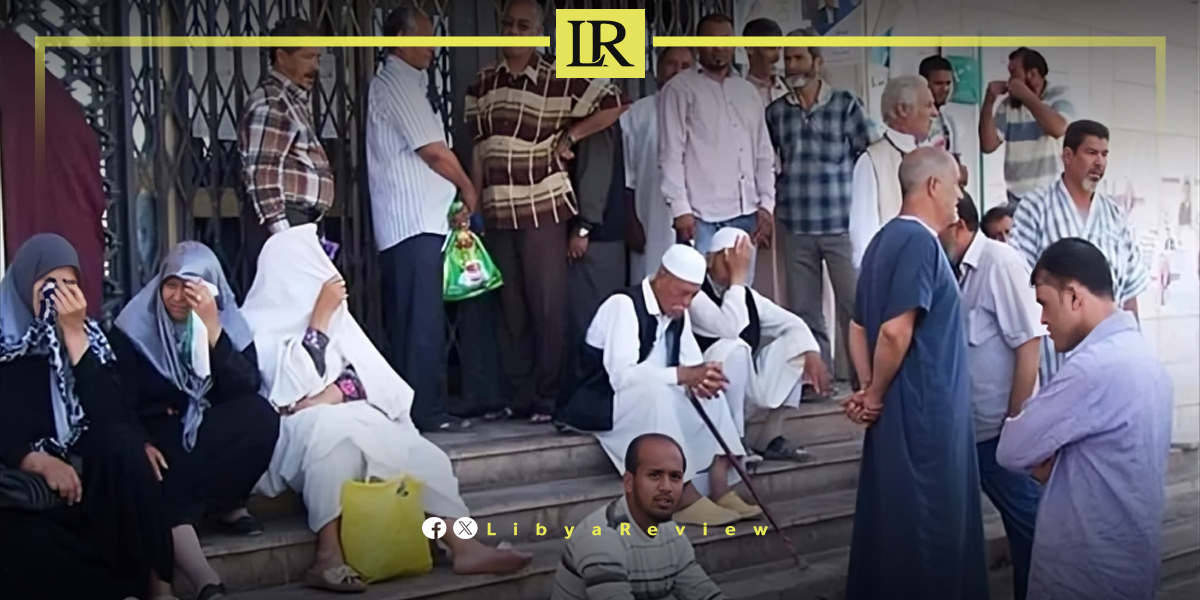
Libya has the largest foreign exchange reserves in Africa, yet many of its citizens continue to face frequent power outages, unreliable water supplies, deteriorating infrastructure, high unemployment, and rising poverty. The contrast between the country’s financial strength and the daily reality of millions of Libyans has renewed debate over how national wealth is managed.
According to the 2025 African Export-Import Bank (Afreximbank) report, Libya holds $87.9 billion in foreign exchange reserves, placing it ahead of South Africa, Algeria, Morocco, Tunisia, and Mauritania. Economists say these reserves provide a strong financial cushion by helping stabilize the national currency, finance imports, and protect the economy from external shocks. However, they also stress that large reserves alone do not guarantee economic prosperity or improved living standards.
A 2025 study by the University of Misrata found that around 43% of Libya’s population lives below the poverty line, making Libya one of the most economically challenged countries in North Africa despite its vast oil wealth. The study also reported that approximately 14% of the population suffers from food insecurity or inadequate nutrition.
The World Bank estimates Libya’s overall unemployment rate at 18.6%, while youth unemployment approaches 50% among those aged 15 to 24. More than 85% of the workforce is employed in the public sector, reflecting the limited contribution of private businesses to job creation and economic growth.
Economic experts argue that the country’s difficulties stem primarily from structural weaknesses rather than a lack of financial resources. Although Libya generates substantial oil revenues, much of public spending is directed toward salaries, fuel and energy subsidies, and other recurrent expenditures instead of long-term investment in infrastructure, healthcare, education, and productive economic sectors.
Former Central Bank adviser Khaled Al-Habawi said Libya’s strong financial position should have translated into tangible improvements in public services and living standards. Instead, he cited political divisions, institutional fragmentation, bureaucracy, corruption, and weak private-sector development as major obstacles preventing oil revenues from driving sustainable economic growth.
Political analyst Wissam Abdulkabir also argued that Libya’s ongoing institutional split has undermined effective economic planning and investment. With competing governments and parallel institutions, he said, it remains difficult to implement coherent development policies or make efficient use of the country’s financial resources.
Human rights advocate Mona Touka described the issue as more than an economic challenge, arguing that citizens have a fundamental right to benefit from their country’s natural wealth. She said national prosperity should be measured not only by foreign exchange reserves or oil revenues, but by the quality of healthcare, education, infrastructure, employment opportunities, and social protection available to the population.
Despite its record foreign exchange reserves and abundant energy resources, Libya continues to face significant governance and development challenges. Analysts broadly agree that translating financial wealth into lasting improvements in public services and economic opportunities will require comprehensive political stability, stronger institutions, economic diversification, and more effective management of public resources.

