
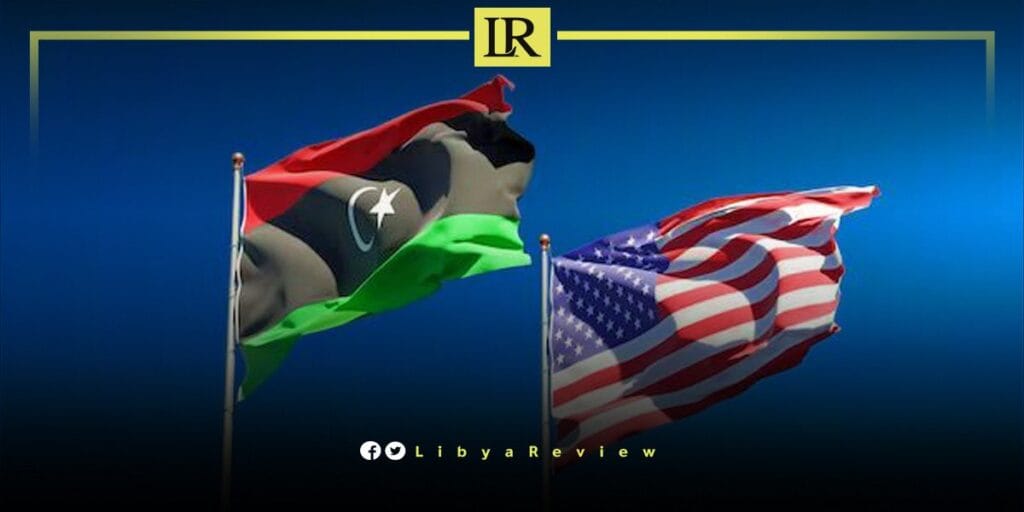

Libya has been included among 60 trading partners whose exports to the United States will face new import tariffs under a trade enforcement initiative announced by the US administration.
Under the new measures, imports from Libya will be subject to a 12.5% tariff, placing the country alongside dozens of nations in the Middle East, Africa, Asia, and Latin America that are covered by the new policy. Other countries included in the initiative will face tariffs of either 10% or 12.5%, depending on the outcome of US investigations into their enforcement of bans on goods produced with forced labor.
The tariffs were introduced under Section 301 of the US Trade Act of 1974, following investigations by the Office of the US Trade Representative. According to the administration, the measures target countries that have failed to effectively prevent goods produced through forced labor from entering international supply chains. The new tariffs took effect as a temporary 10% global tariff expired, replacing that measure with a more permanent trade framework.
US Trade Representative Jamieson Greer said the action is intended to strengthen enforcement of US trade laws and encourage trading partners to adopt and effectively implement measures prohibiting imports linked to forced labor. The administration argues that the policy addresses both human rights concerns and unfair trade practices.
The new tariff regime applies to 99.4% of US imports, although numerous products—including oil and gas, fertilizers, certain food products, critical minerals, aircraft parts, and goods already covered by separate national security tariffs—are exempt from the additional duties.