
Sunday, June 14, 2026
LibyaReview
  • Home
  • Libya
  • Economy
  • Sport
  • Politics
  • Entertainment
  • Opinion
No Result
View All Result
  • Home
  • Libya
  • Economy
  • Sport
  • Politics
  • Entertainment
  • Opinion
No Result
View All Result
LibyaReview
No Result
View All Result
Home Libya

Libya Implements Temporary Currency Devaluation of 27%

March 15, 2024
Libya Implements Temporary Currency Devaluation of 27%
Share on FacebookShare on Twitter

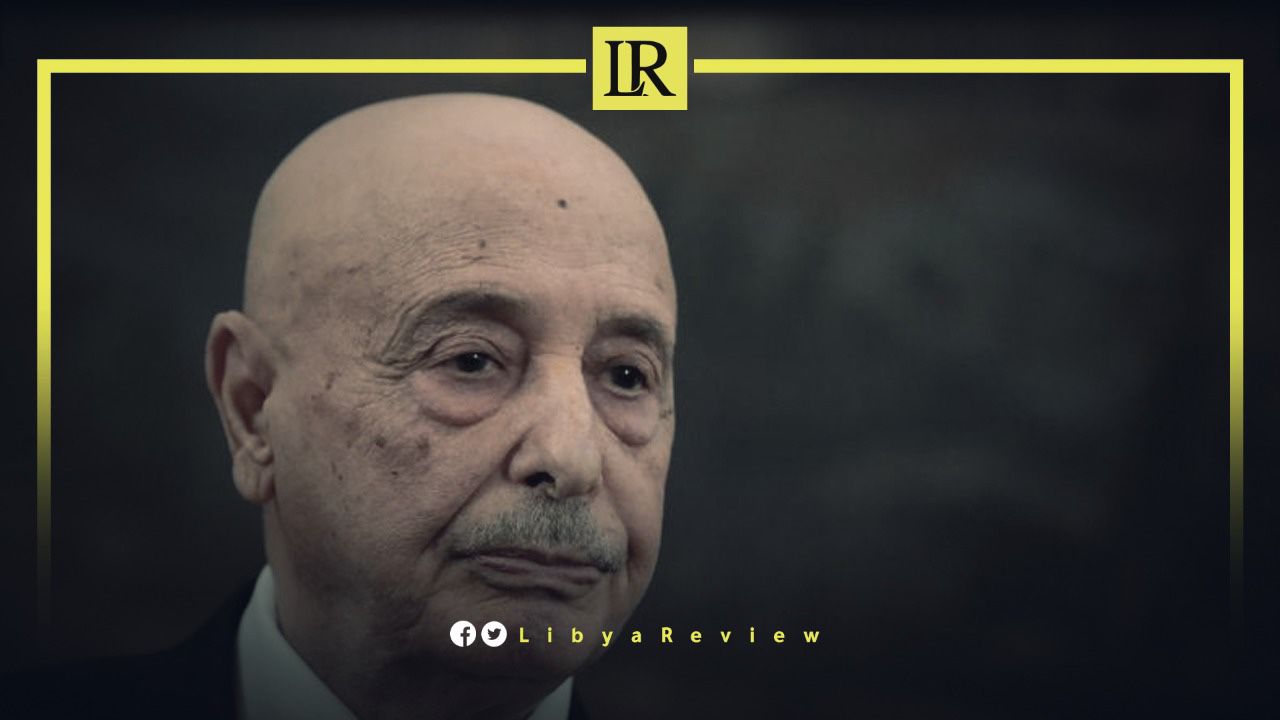
The Speaker of the Libyan House of Representatives, Ageela Saleh, announced a new financial measure involving a temporary 27% tax on currency exchange, which could be adjusted based on state revenue projections.

Libya has experienced division since 2014, with two governments—one in the East and another in the West—vying for control, along with their respective financial institutions. Despite a political agreement in 2015 aimed at unification, the House of Representatives in Eastern Libya and the High Council of State in Tripoli, Western Libya, are required to collaborate on significant national issues.

Recently, the Governor of the Central Bank of Libya (CBL) proposed to the House of Representatives the idea of devaluing the dinar by implementing a 27% tax on currency exchange. This measure is anticipated to generate approximately $12 billion in revenue, potentially aiding in public debt reduction and financing development initiatives.

Following this proposal, the House of Representatives, based in Benghazi, has directed the Central Bank Governor in Tripoli to execute the devaluation. The process involves adjusting the sale price of foreign currency and assessing the additional value from these sales in relation to the Libyan currency. This strategy is also aimed at ensuring the availability of foreign currency across all Libyan banks.

The decision outlines that the generated revenue could support developmental projects or contribute to the Central Bank of Libya’s efforts in repaying public debt.

Financial disagreements have frequently ignited conflicts within Libya since the 2011 uprising, primarily fueled by competition over state financial resources.

Tags: Ageela SalehDinarlibya
Next Post
UN Vehicles Involved in Minor Traffic Incident in Libyan Capital

UN Vehicles Involved in Minor Traffic Incident in Libyan Capital

POPULAR CATEGORIES

  • Home
  • Libya
  • Economy
  • Sport
  • Politics
  • Entertainment
  • Opinion

MUST READ

Massad Boulos: Libyans Must Lead Political Solution

How Libya’s Oil Wealth Is Sustaining Rival Centers of Power?

Egypt Reaffirms Support for Libya’s Stability, Calls for Swift Elections

UN Official: Libya’s Future Depends on Libyans Alone

Libya’s Sirte Oil Company Expands Cooperation with SLB on Field Development

Libya Appears in Emerging Maritime Cocaine Smuggling Route

EDITOR PICKS

Libya’s 7,000-Year-Old Takarkori Mummy Returns Home After Restoration

Ageela Saleh: Benghazi Conference Will Strengthen Asian-African Parliamentary Partnership

Egypt Reaffirms Support for Libya’s Stability, Calls for Swift Elections

Hashish & Pills Seized in Libya’s Derna

2 Migrant Bodies Recovered East of Libya’s Tripoli

Massad Boulos: Libyans Must Lead Political Solution

  • Home
  • Libya
  • Economy
  • Sport
  • Politics
  • Entertainment
  • Opinion

© 2024 LR

No Result
View All Result
  • Home
  • Libya
  • Economy
  • Sport
  • Politics
  • Entertainment
  • Opinion

© 2024 LR