
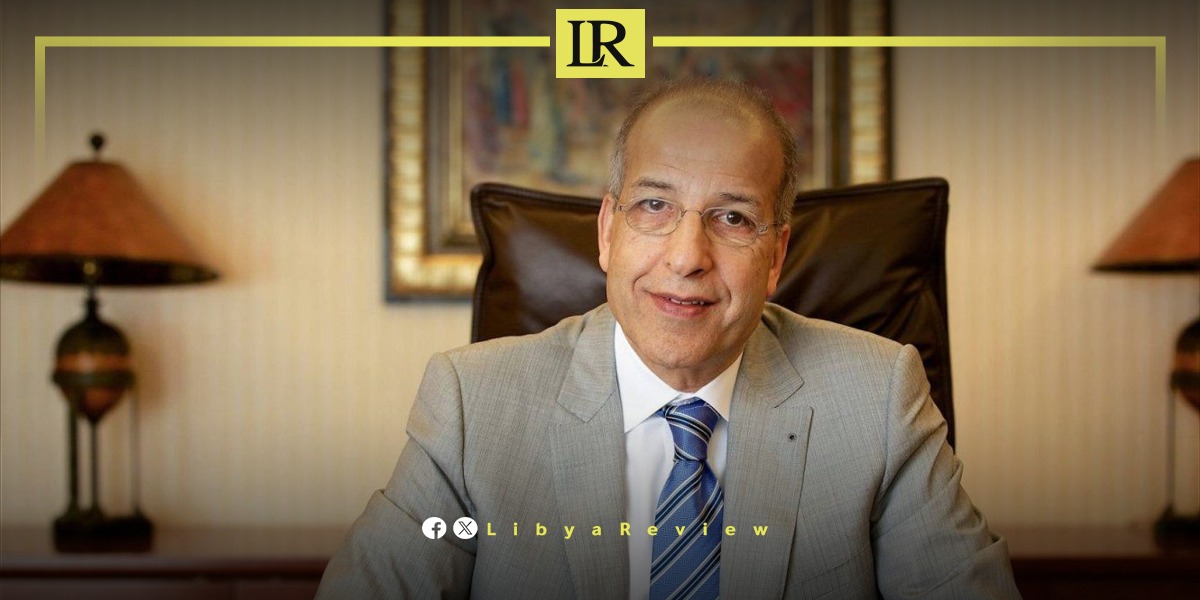
The Governor of the Central Bank of Libya, Al Siddik Al Kabir, has publicly criticized Prime Minister Abdul Hamid Dbaiba of the Government of National Unity for presenting an overly optimistic view of the Libyan economy. Al Kabir highlighted a significant disparity between the Prime Minister’s positive economic statements and the challenging reality indicated by financial data.
This critique emerges amid contrasting views on Libya’s economic condition, with the nation grappling with political instability and the need for economic reform despite its substantial oil reserves. The Central Bank’s assessment points to a considerable budget deficit of 45 billion Libyan dinars, in stark contradiction to the Prime Minister’s narrative of economic prosperity.
Al Kabir pointed out concerns over the 2024 budget projection, which anticipates expenditures of 165 billion Libyan dinars, mainly for consumption, against projected revenues of only 120 billion Libyan dinars. He criticized the government’s fiscal policies for increasing expenditures on salaries, grants, and allocations without implementing necessary reforms.
The governor also noted a projected shortfall in foreign currency revenues of about $11 billion and highlighted the unsustainable increase in fuel subsidy costs. He corrected the Prime Minister’s claim about Libya’s foreign currency reserves, stating that the accessible reserves amount to only $29 billion, contrary to the claimed $84 billion.
Al Kabir’s critique extends to the imposition of a tax on foreign currency sales as a critical measure to counter economic challenges and stressed the discrepancy between the National Oil Corporation’s revenue projections and the country’s broader financial needs. He emphasized the importance of fiscal discipline, a unified budget, and reduced external imports for economic stabilization.
Furthermore, Al Kabir disputed Dbaiba’s assertion that Libya’s public debt has been eradicated, indicating no significant debt reduction and questioning the Prime Minister’s approach to managing the fiscal deficit. This public disagreement between Libya’s Central Bank Governor and the Prime Minister highlights the need for realistic economic assessments and transparent governance to guide Libya through its post-conflict economic recovery.

