
Thursday, April 16, 2026
LibyaReview
  • Home
  • Libya
  • Economy
  • Sport
  • Politics
  • Entertainment
  • Opinion
No Result
View All Result
  • Home
  • Libya
  • Economy
  • Sport
  • Politics
  • Entertainment
  • Opinion
No Result
View All Result
LibyaReview
No Result
View All Result
Home Libya

Former UN Envoy: International Actors Fear “Unfriendly Leadership” in Libya

December 5, 2024
Former UN Envoy: International Actors Fear “Unfriendly Leadership” in Libya
Share on FacebookShare on Twitter

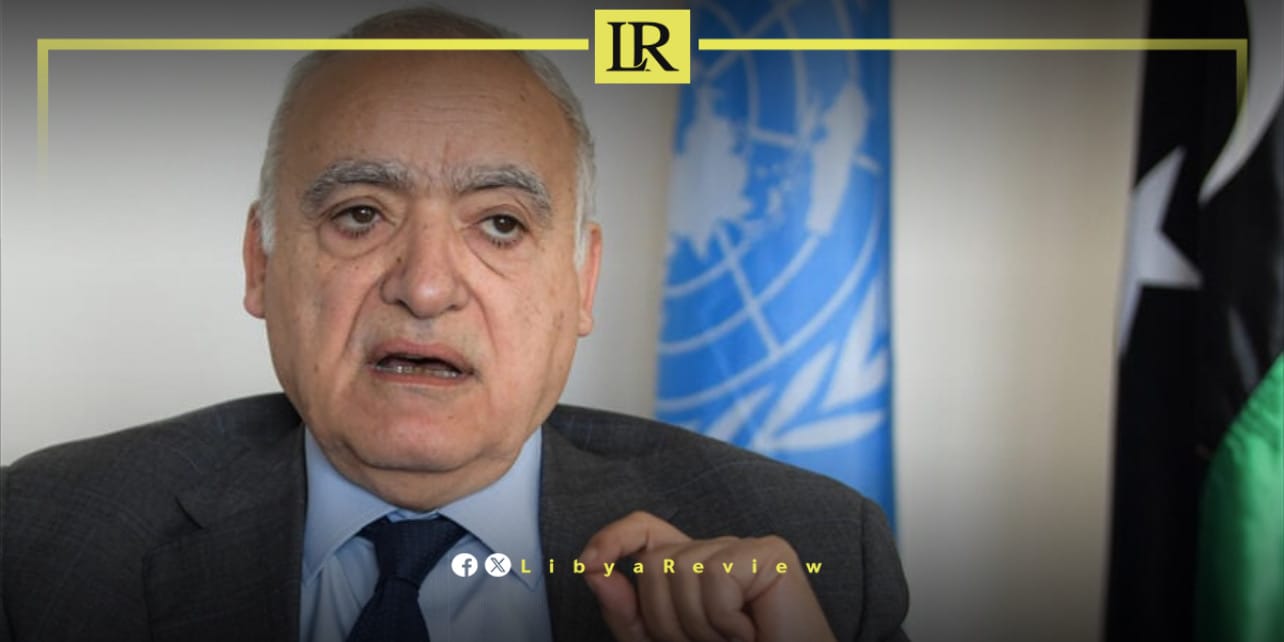
Former UN envoy to Libya, Ghassan Salamé, has described internal divisions as the primary obstacle to the country’s stability, despite external powers focusing on their own interests.

Speaking to Daily Sabah, Salamé argued that while international actors would benefit from a unified Libya, their fears of unfriendly leadership prevent them from actively supporting unity efforts.

Salamé noted that Libya’s security situation has improved significantly compared to past years but highlighted the ongoing issue of internal fragmentation.

Rather than a simple division between two opposing sides, the country faces a more complex breakdown into numerous factions, each competing to maintain their influence and privileges.

According to Salamé, this fragmentation complicates efforts to unify state institutions and restore stability. He stressed that addressing economic and security issues remains key to achieving short-term progress.

Salamé also credited the 2020 Berlin Summit with playing a critical role in stabilising oil production, even though some disruptions occurred.

He highlighted the importance of the 5+5 Joint Military Commission, which succeeded in enforcing a ceasefire and organising prisoner exchanges following intense fighting in Tripoli during 2018 and 2019.

However, Salamé identified the preservation of Libya’s institutional unity as the greatest challenge. He noted that attempts to unify rival governments, conduct elections, or maintain judicial coherence are consistently thwarted by internal alliances. These groups, he explained, resist progress out of fear of losing their established privileges.

Salamé concluded that while external powers prioritise protecting their interests, the key to Libya’s stability lies in overcoming its internal divisions and addressing the structural challenges facing the country.

Tags: Ghassan SalamélibyaLibyan CrisisUN Envoy
Next Post
120 Municipal Election Candidates in Libya Facing Criminal Charges

Libyan Health Official Arrested for 1.5 Billion Dinar Corruption

POPULAR CATEGORIES

  • Home
  • Libya
  • Economy
  • Sport
  • Politics
  • Entertainment
  • Opinion

MUST READ

After 15 Years, Libya Gains New Leverage Over Frozen Billions

Libya Under Scrutiny as Rights Group Documents Rising Civilian Killings

Libya Arrests Bank Employees in Major Money Laundering Investigation

Libya & Egypt Advance Practical Steps to Strengthen Cross-Border Ties

Flintlock 2026 Highlights Growing Unity Among Libya’s Armed Forces

Libya Steps Up Preparations for EU Economic Forum in Benghazi

EDITOR PICKS

Libyan Parliament Speaker Attends IPU Assembly in Istanbul

Libya Signals Economic Turnaround as Central Bank Chief Meets US Officials

Libya Steps Up Preparations for EU Economic Forum in Benghazi

Libya Arrests Bank Employees in Major Money Laundering Investigation

After 15 Years, Libya Gains New Leverage Over Frozen Billions

Libya Under Scrutiny as Rights Group Documents Rising Civilian Killings

  • Home
  • Libya
  • Economy
  • Sport
  • Politics
  • Entertainment
  • Opinion

© 2024 LR

No Result
View All Result
  • Home
  • Libya
  • Economy
  • Sport
  • Politics
  • Entertainment
  • Opinion

© 2024 LR