
A new report by US-based Freedom House has once again classified Libya as “Not Free,” assigning the country a score of just 9 out of 100 in its latest annual assessment of political rights and civil liberties worldwide. The ranking places Libya among the lowest-performing countries globally, reflecting ongoing political instability and weak institutional governance.
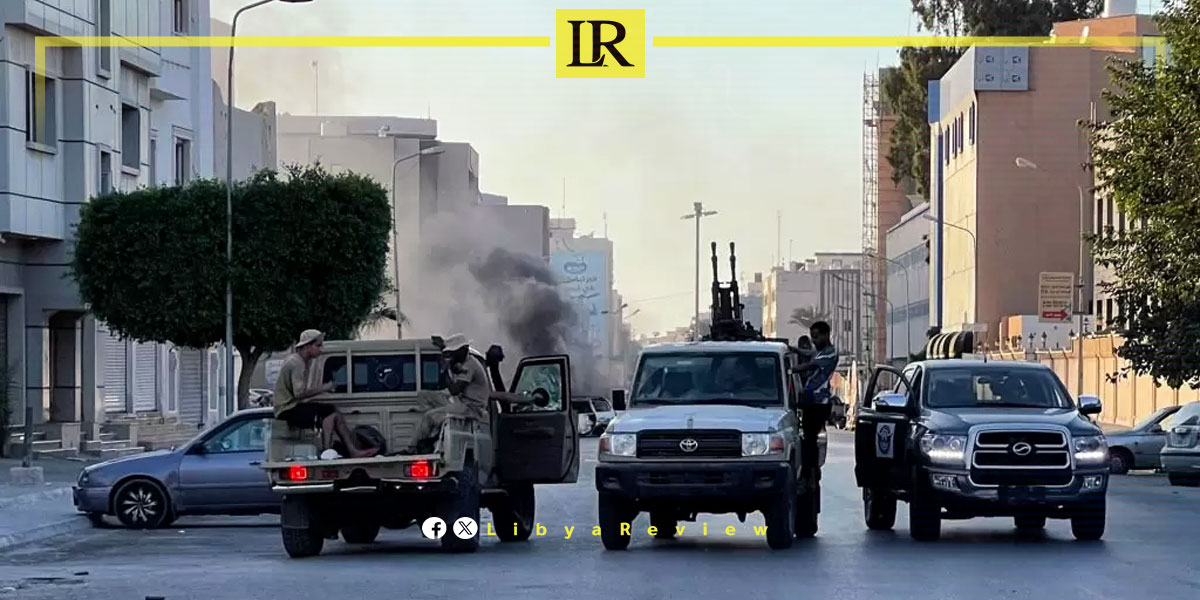
The US report attributes Libya’s continued decline in freedom to several interconnected factors, most notably widespread corruption, the entrenched presence of armed groups, and persistent foreign interference. These elements, according to the report, have significantly undermined state authority and prevented the emergence of unified and effective governance.
Freedom House noted that Libya’s political landscape remains deeply fragmented, with competing authorities and parallel institutions limiting accountability and weakening the rule of law. This division has allowed armed factions to retain influence over security structures and public institutions, further complicating efforts to restore stability.
The report also highlighted serious restrictions on civil liberties. Journalists, activists, and political figures continue to face threats, harassment, and arbitrary detention, contributing to an environment where freedom of expression and political participation remain severely constrained. Public space for dissent and independent media activity is described as increasingly limited.
Corruption was identified as a major structural challenge affecting multiple sectors. Weak oversight, lack of transparency, and limited enforcement of anti-corruption measures have eroded public trust and hindered economic and administrative reform.
In addition, the report pointed to the ongoing role of foreign actors in shaping Libya’s political and security dynamics. External involvement has prolonged divisions and complicated efforts to reach a comprehensive political settlement, delaying progress toward elections and long-term stability.

