
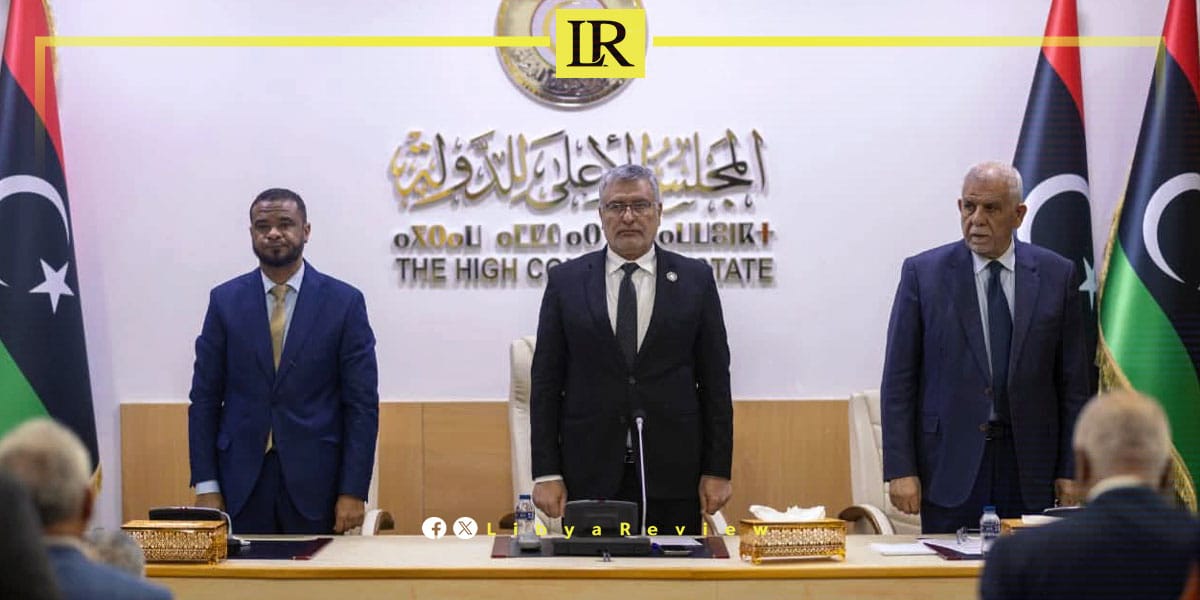
The High Council of State (HCS) has accused the United Nations Support Mission in Libya (UNSMIL) and certain international actors of attempting to impose political figures and frameworks aimed at controlling power and state resources, amid escalating tensions over Libya’s political deadlock.
In a strongly worded statement, the council expressed “grave concern” over the ongoing political stalemate and institutional division, warning that the situation continues to affect all aspects of life and obstruct the Libyan people’s aspirations to build a democratic state governed by law and free from corruption.
The council said it had observed recent “moves and initiatives” that bypass popular will and legitimate institutions in favour of “narrow agendas or individuals backed by foreign actors.” It cautioned that any attempt to sideline official legal frameworks or empower regional or family-based entities would only deepen the crisis and push the البلاد towards further instability.
The statement also questioned the conduct of UNSMIL, accusing the mission of selectively engaging members from legislative and executive bodies without respecting institutional mechanisms. The council argued that such actions raise doubts about the mission’s intentions and undermine Libya’s recognised state institutions.
According to the council, the main obstacle to achieving a comprehensive political settlement lies in attempts by some international parties and the UN mission to impose solutions, rather than enabling Libyans to exercise their democratic rights.
The body renewed its call on the international community to reassess its approach and prioritise support for a constitutional framework as a key step toward resolving the crisis. It also warned against providing political cover to figures facing corruption allegations cited in UN reports.
At the same time, the council voiced support for recent economic reforms, including measures announced by the Central Bank of Libya to unify public spending and improve financial governance.
It urged national forces to unite behind a purely Libyan political project that ends division, rejects foreign interference, and paves the way for simultaneous parliamentary and presidential elections. The council stressed that Libya’s sovereignty and stability remain a “red line,” rejecting any externally driven settlements.

