
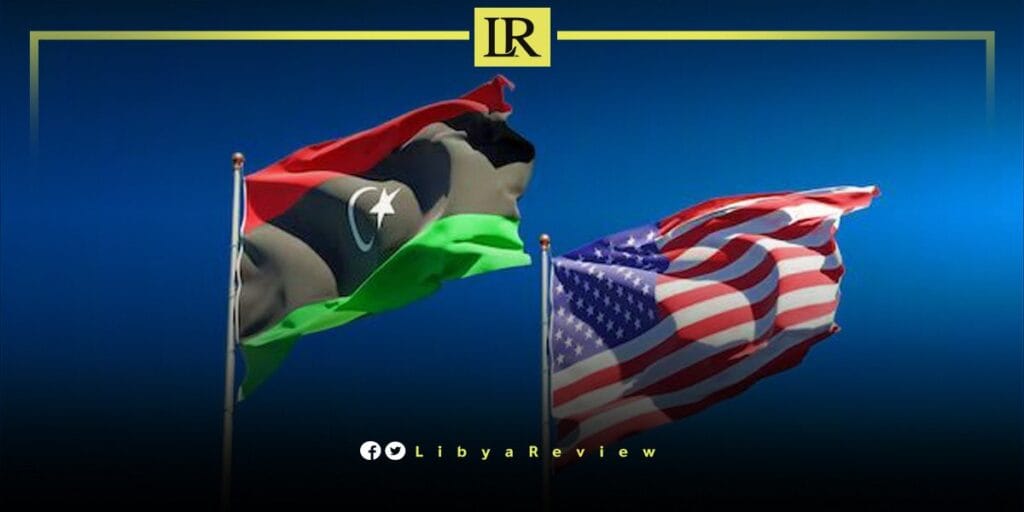
Ali Abu Sabiha, head of the Supreme Council of Tribes and Cities of Southern Libya, has said that oil remains the central driver of global conflict, warning that Libya is among the countries that have paid a heavy price for this competition.
In an interview with Tunisia’s Echorouk newspaper, Abu Sabiha argued that the United States had worked to weaken regional armies in order to expand its influence over natural resources. He expressed strong scepticism towards any American statements supporting the unification of Libya’s military institutions, saying Libyans would not trust such claims.
He further alleged that the United States and Western countries played a direct role in the formation of militias in Libya by providing support and weapons. According to Abu Sabiha, this contributed significantly to the complexity of the country’s security and political landscape.
Libya has struggled with fragmented armed groups and competing authorities since the collapse of central rule, with repeated international efforts aimed at restoring stability and unifying institutions.
Abu Sabiha also criticised the ongoing political dialogue processes, arguing that their outcomes are not binding on Libyan parties. He described these talks as ineffective and a waste of time, stressing the need for more serious and enforceable mechanisms to resolve the prolonged crisis.
His remarks reflect broader frustration among segments of Libyan society regarding the pace of political progress and the continued influence of foreign actors in domestic affairs.
The international community has repeatedly called for inclusive dialogue and institutional unification as key steps towards stabilising Libya. However, divisions remain deep, and competing interests continue to hinder efforts to reach a comprehensive political settlement.
Abu Sabiha emphasised that any sustainable solution must prioritise national sovereignty and address the root causes of conflict, particularly competition over Libya’s vast oil resources.

