
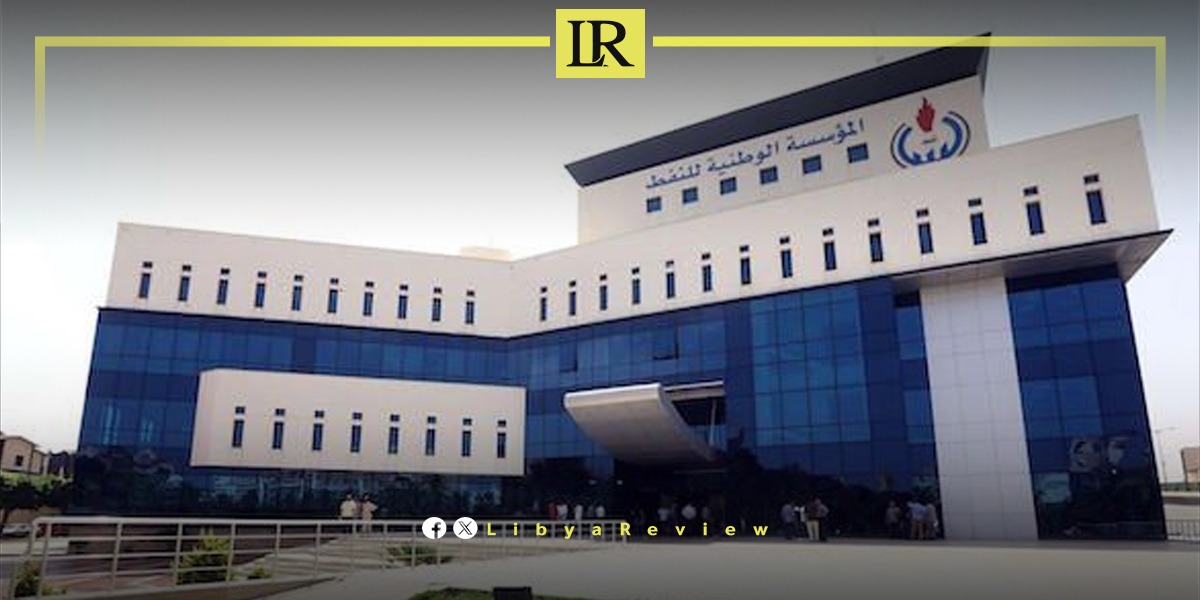
Libya’s oil sector recorded its highest production levels in a decade during 2025, signaling a significant recovery in one of the country’s most vital industries.
According to the National Oil Corporation, average daily oil output reached approximately 1.374 million barrels per day, with total annual production exceeding 501 million barrels. The figures mark the strongest performance since 2015.
NOC Chairman Masoud Suleman stated that production increases were driven by the restart of several key oil fields, including Sinawan, Mabrouk, and Sabah, which had been offline in previous years. The return of these fields has played a central role in boosting overall output.
In the exploration sector, Libya also reported new discoveries, including a gas field with estimated reserves of around one trillion cubic feet. Additional oil discoveries were recorded in major basins such as Sirte, Ghadames, and Murzuq, further strengthening the country’s resource base.
Efforts to improve efficiency and sustainability have also shown progress. The NOC announced a reduction in gas flaring by more than 100 million cubic feet per day, while approximately 120 million cubic feet per day of gas has been redirected into domestic consumption systems. Infrastructure upgrades, including the construction of a 42-inch gas pipeline, have helped recover volumes that were previously wasted.
Technological advancements have also been introduced, with artificial intelligence used for the first time in directional drilling operations to enhance efficiency and optimize production processes. Meanwhile, production has commenced at new sites, including the Makhendoush field and several locations in southern Libya.
On the investment front, Libya has launched a new exploration bidding round after a 17-year hiatus, signaling renewed openness to international partnerships. Major global energy companies, including Schlumberger, Chevron, and ExxonMobil, have resumed or expanded their activities in the country.
The NOC also highlighted steps to improve transparency, including the cancellation of fuel barter arrangements and the introduction of open tenders for fuel supply, attracting participation from more than 30 companies. Unified safety and drilling regulations have also been adopted across the sector.

