
A new analytical report published by the American magazine Newsweek has accused European countries of outsourcing migration control policies to external actors, including Libya, warning of growing humanitarian consequences for migrants trapped inside detention systems.
According to the report, Libya has increasingly become one of the main frontline states in Europe’s efforts to curb irregular migration across the Mediterranean, largely because of its strategic location between Africa and Europe.
The report described difficult conditions inside detention centres, focusing on a facility in the Libyan city of Tajoura, where nearly 100 irregular migrants were reportedly crowded into a narrow communal cell for months, with some detained for almost a year.
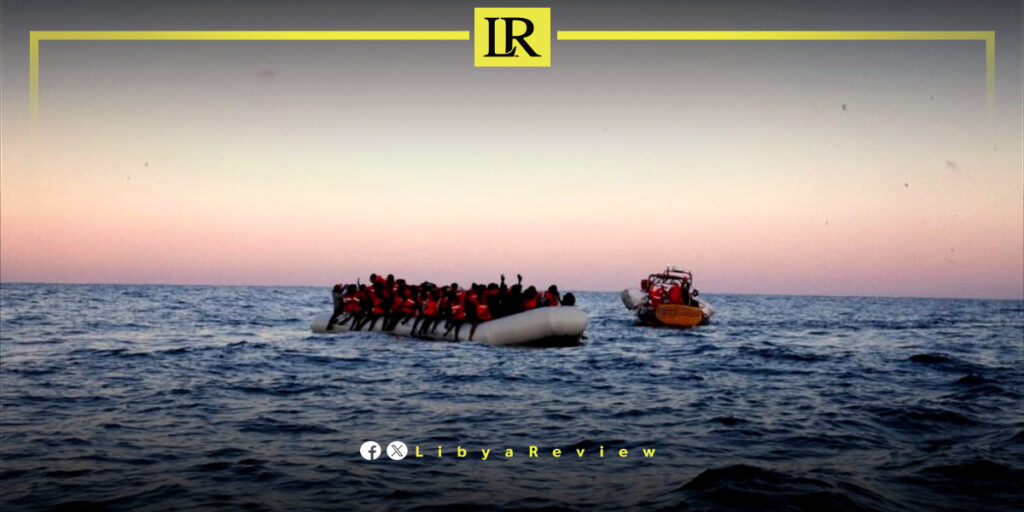
Many of the migrants, most of whom reportedly come from sub-Saharan African countries, were intercepted while attempting to cross the Mediterranean Sea toward Europe. The report said several detainees are now unable to leave detention facilities unless they pay ransom money.
The American publication added that authorities overseeing some detention centres, which have long been linked to allegations of abuse and arbitrary detention practices, recently allowed limited outside access for the first time in years.
The report argued that European governments have increasingly relied on Libya to enforce tougher migration control policies despite ongoing concerns about the presence of armed groups, weak state institutions, and repeated human rights allegations tied to migrant detention facilities.
According to the analysis, cooperation between European countries and Libyan authorities has contributed to a sharp decline in migrant departures across the Mediterranean. The report claimed that attempted crossings have fallen by nearly half in recent periods as stricter interception and monitoring measures took effect.
However, the report stressed that the reduction in departures has come with what it described as a heavy human cost. It highlighted accusations from humanitarian organisations and migration advocates that migrants intercepted at sea are often returned to overcrowded detention centres where living conditions remain difficult.
Migration remains one of the most politically sensitive issues in relations between Libya and European countries. European governments continue to view Libya as a critical transit point for migration routes from Africa to southern Europe, particularly Italy and Malta.
International organisations, including the International Organization for Migration and the United Nations, have repeatedly called for improved protections for migrants and refugees inside Libya, while urging stronger efforts to combat human trafficking networks operating across the region.

