
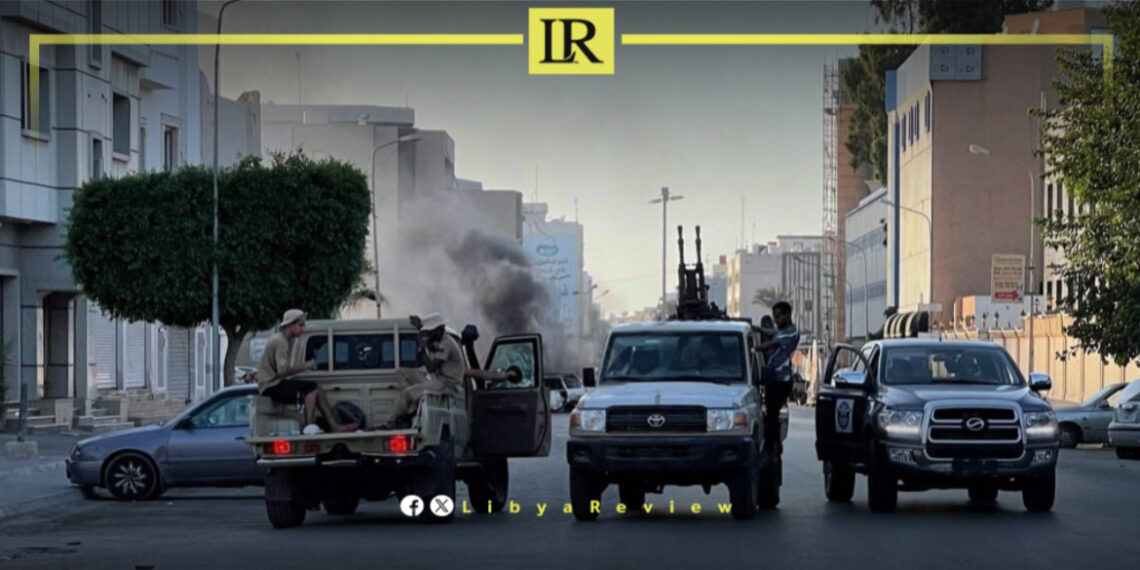
The United Nations Support Mission in Libya has strongly condemned the ongoing armed clashes in Al-Zawiya and surrounding areas, warning that continued violence could trigger wider instability and severe humanitarian consequences.
In a statement issued on Friday, the mission expressed alarm over reports of civilian casualties, including deaths and injuries among residents trapped in the fighting. UNSMIL criticised the use of heavy weapons and indiscriminate fire in densely populated neighbourhoods, describing such actions as unacceptable.
The mission also voiced concern over reports that residential compounds near the Zawiya Oil Refining Company were being used for military purposes. UNSMIL stressed that civilian infrastructure must not become part of armed confrontations and called on all parties to immediately cease hostilities.
According to the statement, national authorities must fulfil their obligations under international humanitarian law and human rights law by protecting civilians and safeguarding vital infrastructure from damage.
UNSMIL further urged Libyan authorities to launch prompt and credible investigations into reported civilian harm and ensure full legal accountability for violations committed during the clashes.
The mission warned that the deteriorating security situation in Al-Zawiya threatens strategic infrastructure and could lead to broader economic and humanitarian repercussions across Libya, particularly given the city’s importance to the country’s energy sector.
The clashes have already forced the suspension of refinery operations and the evacuation of oil tankers from Al-Zawiya port after shells reportedly struck operational areas near the facility.
UNSMIL praised the efforts of local leaders and security figures attempting to de-escalate tensions and restore calm. The mission reiterated its readiness to support Libyan-led efforts aimed at protecting civilians, stabilising the situation and preserving Libya’s national resources.
The violence comes amid renewed concerns over security conditions in western Libya and the growing impact of armed confrontations on civilian life and critical economic infrastructure.

