
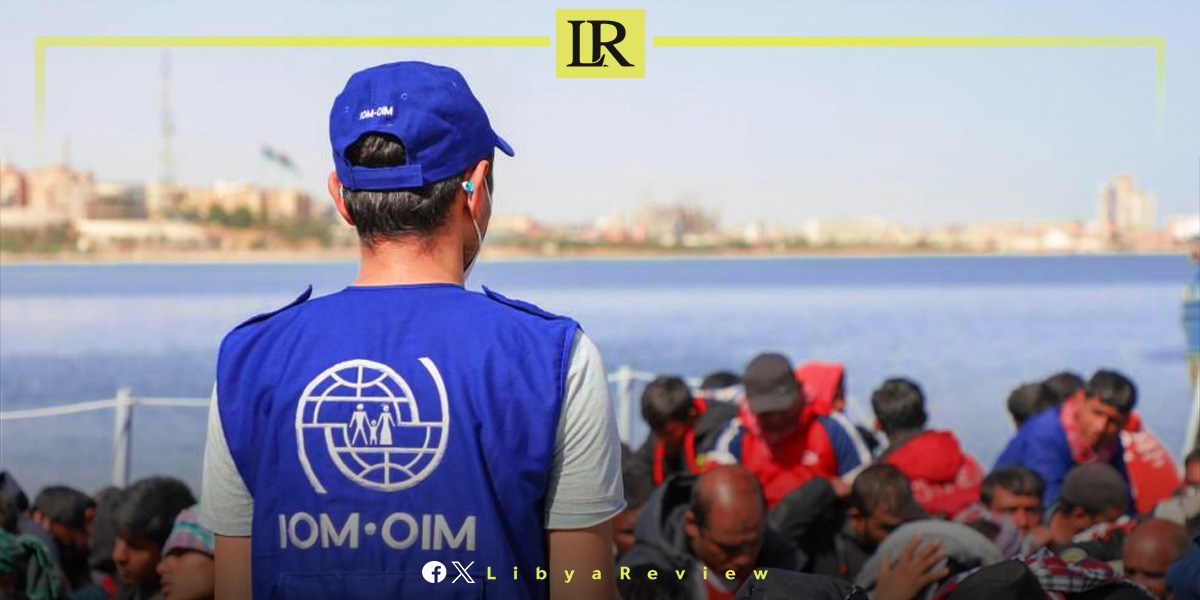
The International Organization for Migration (IOM) reported a nearly 17 percent decline in outward migration flows from Libya during the first quarter of 2026, reflecting broader changes in migration patterns across the country and the surrounding region.
According to data released through the organization’s Displacement Tracking Matrix, irregular migrant arrivals into Libya also fell by approximately 8 percent during the same period. The report linked the decline to several factors, including seasonal economic slowdowns, reduced demand for temporary labor, increased border security measures, and rising transportation costs, particularly in southern Libya.
Despite the overall decrease, the report recorded a significant rise in migrant movements through Libya’s western borders with Tunisia and Algeria. Arrivals through these routes nearly doubled compared with the final quarter of 2025, driven mainly by employment opportunities in agriculture and construction.
The report showed that most migrants entering Libya originated from Sudan, Niger, Egypt, and Chad. Sudanese nationals represented the largest group, as ongoing conflict in Sudan continues to push thousands toward neighboring countries, including Libya.
The organization noted that the closure of official border crossings between Libya and Sudan forced many migrants to rely on longer and more dangerous routes through Egypt and Chad. Eastern border areas near Tobruk remained among the main entry points into Libya during the first months of 2026.
The report also highlighted the growing role of smuggling networks in facilitating migration movements. More than 80 percent of newly arrived migrants said they depended on brokers or smugglers during their journeys, especially for transportation within Libya. The average migration cost was estimated at around 351 dollars, with most payments going to intermediaries and trafficking groups.
In southwestern Libya, migration flows declined sharply along routes connected to Niger and Chad due to deteriorating security conditions and intensified patrol operations. However, the organization identified emerging migration corridors linking southern desert regions to eastern coastal areas, indicating shifting movement patterns inside Libya.

