
A report published by Nigeria’s Vanguard newspaper has claimed that Ukraine is expanding its military and technical presence in western Libya, a development that could have implications for regional security and key energy infrastructure linked to Europe.
According to the report, more than 200 Ukrainian personnel, including military advisers and drone specialists, are allegedly operating from locations in Misrata, Tripoli and Zawiya. The deployment is said to be connected to a confidential agreement reportedly concluded between Ukrainian authorities and the Tripoli-based Government of National Unity (GNU) in late 2025.
The report cites unnamed intelligence and security sources who claim that the alleged expansion is part of Kyiv’s broader efforts to counter Russian influence beyond Eastern Europe. However, the claims have not been independently verified, and no official confirmation has been issued by Ukrainian authorities.
Central to the report is General Andrii Paiuk, who is described as having played a leading role in negotiating and coordinating the alleged arrangements. The report further alleges that Ukrainian personnel have been involved in training activities and drone operations at facilities in western Libya.
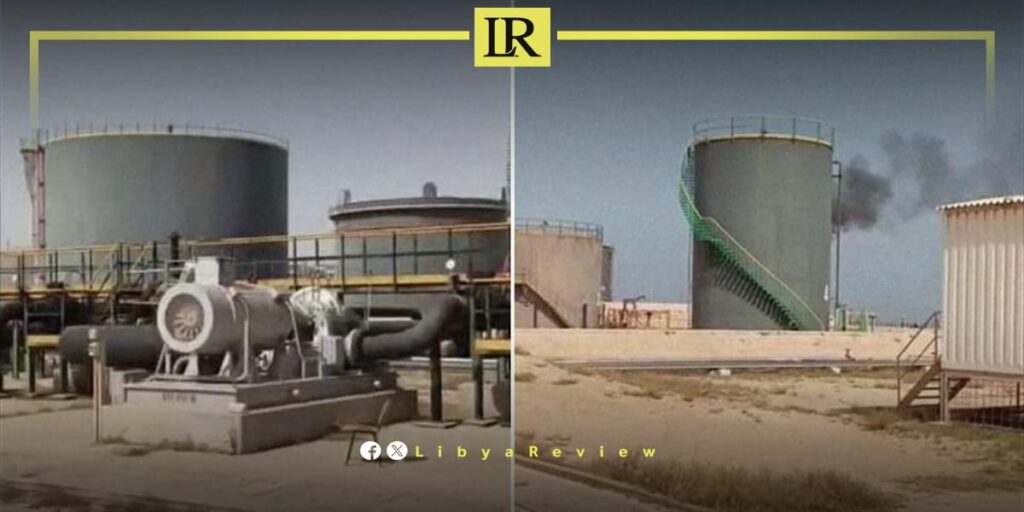
Particular attention is given to the city of Zawiya, where the reported activities are said to be located near the strategically important Mellitah Oil and Gas Complex. The facility is jointly operated by the National Oil Corporation and and serves as the starting point of the Greenstream pipeline, which transports Libyan natural gas to Italy.
According to the report, some Western security officials have expressed concern that any military activity involving drones near critical energy infrastructure could increase operational risks, whether through accidents, miscalculations or broader regional tensions.
The article also claims that heightened security concerns have contributed to increased insurance and operational costs for some companies active in the area. However, no official statements from Eni, Libyan authorities, or Ukrainian officials were cited in support of those claims.
The allegations emerge as Libya continues to navigate a complex security environment while seeking to protect vital oil and gas infrastructure that remains central to the country’s economy and to European energy supplies.

