
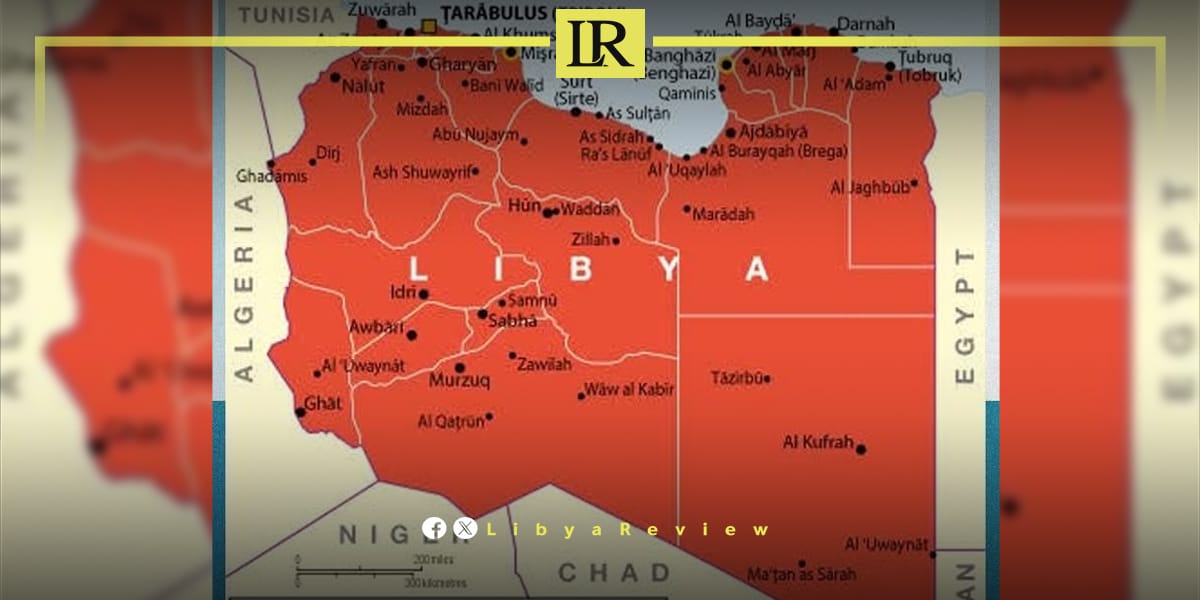
The United Kingdom has eased its travel guidance for parts of Libya, lowering the risk level assigned to several major cities in a move that could signal growing international confidence in security conditions across parts of the country.
According to an update issued by the UK Foreign, Commonwealth and Development Office, travel advice for Tripoli, Misrata and Benghazi has been revised, with the risk assessment reduced from the highest red category to the lower yellow category.
The updated guidance forms part of the British government’s official travel recommendations for UK citizens and businesses considering travel to Libya. The advice provides information on security risks, travel requirements, insurance considerations and other practical matters affecting visitors.
The decision is likely to be closely watched by Libyan authorities, airlines, investors and international companies, as travel advisories issued by major Western governments often influence business activity, diplomatic engagement and perceptions of stability.
Although the updated assessment reflects an improvement in the security outlook for the three cities, the British government continues to advise travellers to review official guidance carefully before making plans and to remain aware of local conditions that may change over time.
Tripoli, Misrata and Benghazi are among Libya’s most important economic and commercial centres. Any easing of international travel restrictions or advisories affecting these cities is generally viewed as a positive development for efforts to attract foreign investment, support business activity and strengthen international engagement with Libya.
The revised guidance comes as Libya continues efforts to improve security, restore infrastructure and expand economic cooperation with international partners. Officials have repeatedly highlighted the importance of encouraging foreign companies and diplomatic missions to increase their presence in the country.
While the updated British travel advice does not constitute a formal endorsement of travel to all parts of Libya, it represents a notable shift in the UK’s assessment of conditions in some of the country’s key urban centres.

